
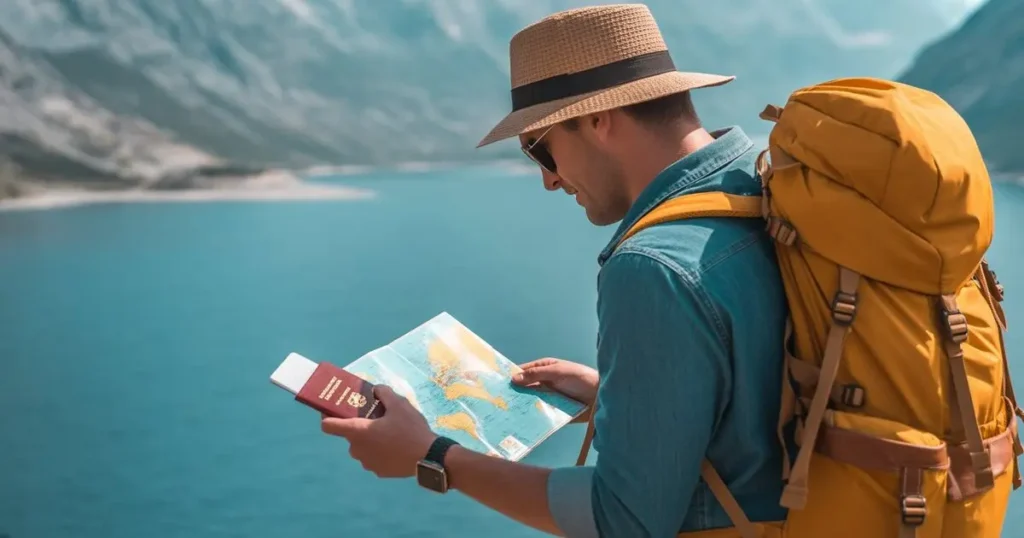
Safe Travel Tips Every Traveler Needs: Avoid Scams, Stay Aware, and Enjoy Your Trip
Look, I’m not here to scare you away from your dream trip to Bali or that backpacking adventure through South America. But let me tell you something: the difference between an unforgettable journey and a nightmare vacation often comes down to a few smart decisions made before you even zip up your suitcase.
I learned this the hard way during my first solo trip to Barcelona. Within 48 hours, I’d fallen victim to a classic distraction scam, lost my credit card, and ended up in a dodgy hostel that made prison cells look cozy. That experience? It taught me more about travel safety precautions than any guidebook ever could.
Here’s the thing: traveling safely doesn’t mean wrapping yourself in bubble wrap and never leaving your hotel room. It means being smart, staying aware, and knowing exactly what to do when things go sideways. And trust me, at some point, something will go sideways.
So whether you’re a nervous first-timer or a seasoned globetrotter who’s gotten a bit too comfortable, these safe travel tips will help you explore the world without becoming another cautionary tale.
What Are the Most Important Safe Travel Tips for Beginners?
Starting your travel journey can feel overwhelming. I get it. You’re scrolling through Instagram, seeing everyone’s highlight reels, and wondering how they make it look so effortless. The secret? They’re probably not sharing the part where they got food poisoning in Thailand or missed their flight in Frankfurt.
For beginners, the foundation of travel safety advice boils down to three core principles: preparation, awareness, and adaptability.
First, nail the basics before you leave home. Make copies of your passport, visa, and important documents, both physical and digital. I keep mine in three places: my phone, my email, and a USB drive tucked into my carry-on. Sounds paranoid? Maybe. But when your wallet gets stolen (and statistically, it probably will at some point), you’ll thank past-you for being so thorough.
Second, research your destination like you’re writing a term paper. Know which neighborhoods to avoid, understand local customs, and memorize a few key phrases in the local language. “Where is the hospital?” and “I need help” should be in your vocabulary before “Two beers, please.”
Third, trust your gut. That sketchy alley shortcut at 2 AM? Yeah, take the long way around. That “too good to be true” tour deal? It probably is. Your instincts are your best travel companion, so listen to them.
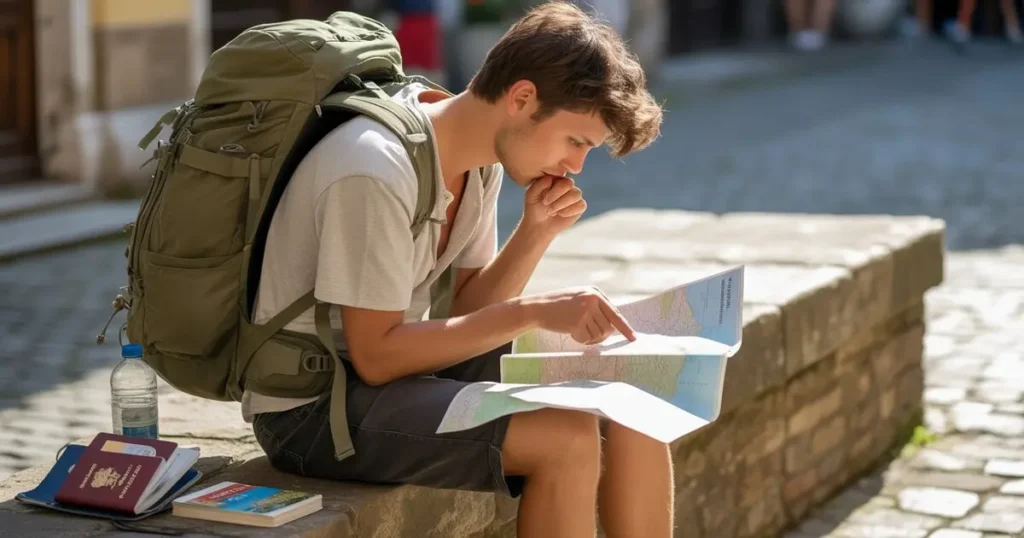
Essential Pre-Departure Checklist
Before you jet off, tick these boxes:
- Register with your embassy or consulate
- Get comprehensive travel insurance (seriously, don’t skip this)
- Vaccinations and health check-ups completed
- Emergency contacts saved in multiple formats
- The bank has been notified of your travel dates
- Local emergency numbers researched and saved
How Can I Stay Safe in Unfamiliar Places While Traveling?
Stepping off that plane into a completely foreign environment, a different language, different smells, different everything, can be exhilarating and terrifying in equal measure. The key to staying safe in unfamiliar places while traveling is blending street smarts with calculated confidence.
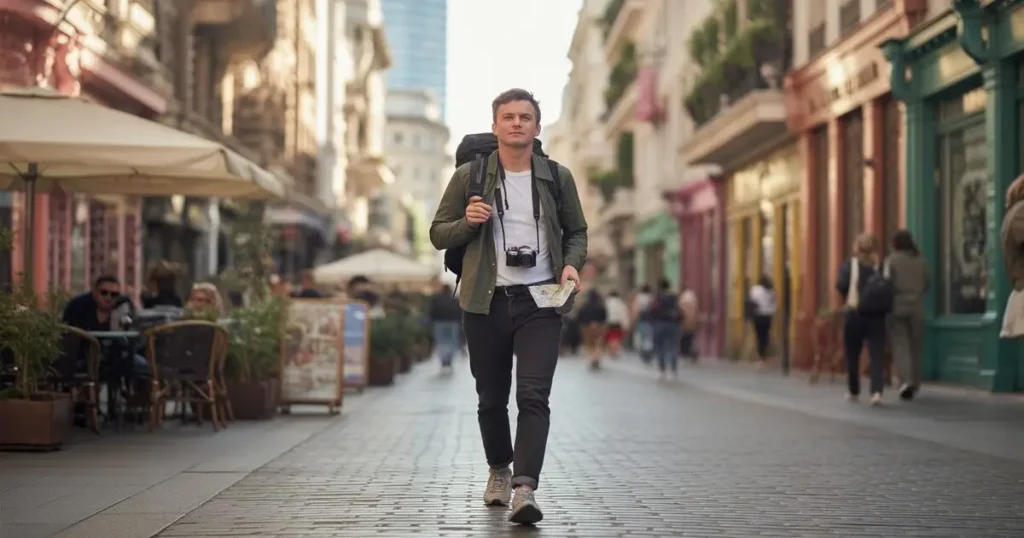
I’ve got this trick I call “informed wandering.” You look like you know where you’re going (even when you absolutely don’t), but you’re constantly observing, learning, and adjusting. Thieves and scammers target obvious tourists, the ones standing in the middle of the sidewalk staring at their phones, looking lost and vulnerable.
Download offline maps before you arrive. Google Maps lets you do this, and it’s a game-changer. Nothing screams “rob me” quite like unfolding a massive paper map in a crowded square. With offline maps, you can check directions discreetly while maintaining that “I totally live here” vibe.
Blend in as much as possible. This doesn’t mean wearing a fake mustache (though that would be hilarious). It means observing how locals dress and behaving accordingly. In some countries, shorts and tank tops mark you as a tourist. In others, being glued to your phone while walking is a red flag to pickpockets.
Stay in well-lit, populated areas, especially at night. That atmospheric back street might look Instagram-worthy, but it’s also where bad things tend to happen. Save the moody photography for daylight hours when there are plenty of witnesses around.
What Safety Precautions Should I Take When Using Public Transport Abroad?
Public transportation abroad can range from efficient German trains to, well, let’s just say “adventurous” experiences in Southeast Asia. Either way, safe public transportation travel abroad requires vigilance and common sense.
On buses and trains, keep your bags in sight, always. That overhead rack? Perfect for someone to grab your stuff while you’re distracted. I keep my daypack on my lap or between my feet with the straps looped around my leg. Overkill? Tell that to the guy who had his laptop snatched on the Paris Metro.
Be extra cautious during rush hour. Crowded conditions are a pickpocket’s paradise. They work in teams; one creates a distraction while another goes through your pockets or bag. Keep valuables in front pockets or internal jacket pockets, never in back pockets or easily accessible bag compartments.
For ride-sharing and taxis, verify the driver and vehicle before getting in. Check that the license plate matches your app. Share your ride details with someone back home. And if something feels off, the driver takes a weird route, gets pushy about payments, makes you uncomfortable, trust that feeling, and get out.
Public Transport Safety Essentials
| Transportation Type | Key Safety Measures |
|---|---|
| Buses | Keep bags visible, avoid sleeping, sit near driver |
| Trains | Secure luggage with cables, choose well-populated cars |
| Taxis/Ride-shares | Keep bags visible, avoid sleeping, and sit near the driver |
| Ferries | Verify vehicle details, share trip info, sit in the back seat |
| Rental cars | Inspect vehicle thoroughly, understand local driving laws |
How to Protect My Belongings From Theft While Traveling?
Let’s be real: theft is the most common problem travelers face. I’ve lost count of how many sob stories I’ve heard in hostel common rooms about stolen phones, wallets, and passports. But here’s the truth: most theft is preventable with the right travel security tips.
Invest in a quality anti-theft travel backpack. These aren’t just marketing gimmicks. Slash-proof materials, lockable zippers, and hidden compartments genuinely deter opportunistic thieves. I use one with a built-in USB charging port, which means I never have to leave my power bank exposed.
RFID-blocking wallets are another non-negotiable. Electronic pickpocketing is real, and it’s growing. For less than twenty bucks, you can protect your credit cards from being skimmed while they’re literally in your pocket.
Use hotel safes for passports, extra cash, and electronics you’re not using. But here’s a pro tip: don’t leave obvious valuables like jewelry boxes or designer bags in plain sight when housekeeping comes through. Not everyone is trustworthy.
For the beach or hostel showers, bring a portable door lock. Yes, it sounds extreme. But that $15 device provides incredible peace of mind when you’re sleeping in a room with five strangers.
Never leave your bag unattended. Not for “just a second.” Not while you grab that amazing photo. Not when your new travel buddy offers to watch it (until you actually know them). The moment you turn your back is the moment it disappears.
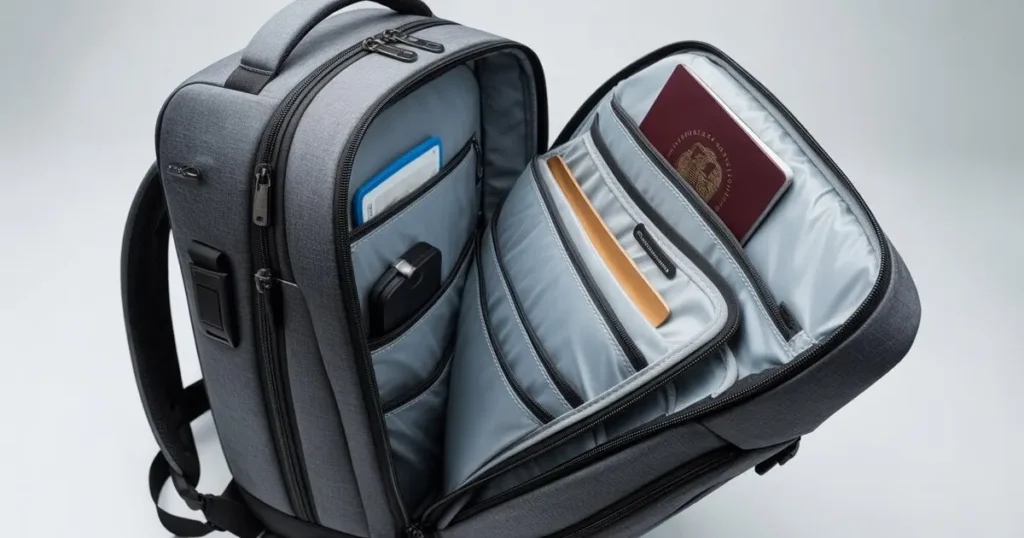
Smart Packing for Security
- Travel padlocks for hostel lockers and luggage zippers
- Money belt or clothing with hidden pockets for emergency cash
- A portable power bank so you’re never desperately searching for outlets
- Decoy wallet with expired cards and small bills
- Cable locks for securing bags to fixtures
Are Travel Safety Apps Helpful and Which Ones Should I Use?
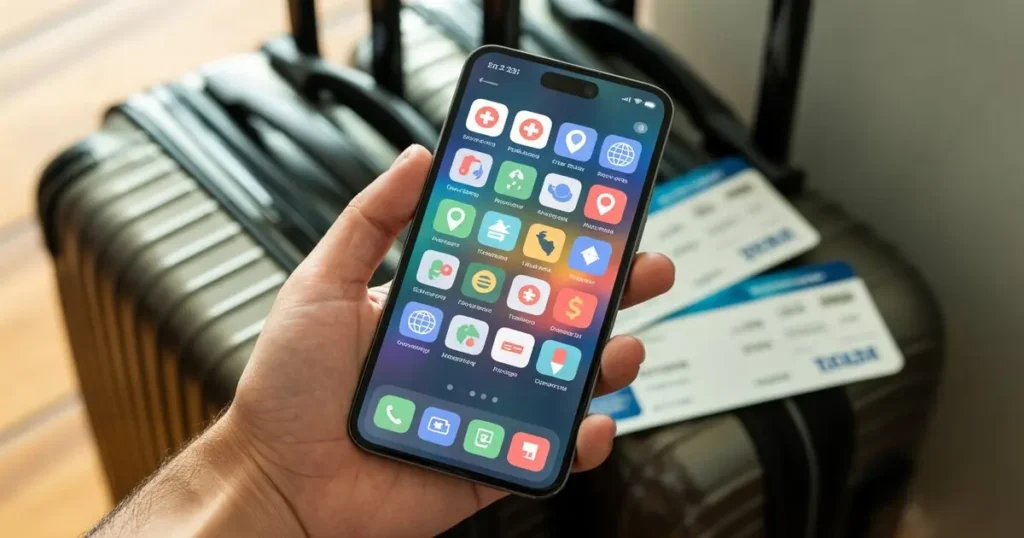
Okay, I’ll admit it, I’m borderline obsessed with travel safety apps. My phone is essentially a Swiss Army knife of digital tools that have saved my butt more times than I care to admit.
Start with Smart Traveler by the U.S. State Department. It provides country-specific safety information, alerts about political unrest, natural disasters, and health warnings. It’s like having a paranoid but well-informed friend constantly updating you about potential dangers.
TripWhistle Global SOS is my emergency lifeline. It stores emergency numbers for police, ambulance, and fire services in virtually every country. When you’re panicking in an emergency, fumbling to Google the local equivalent of 911 isn’t ideal.
For staying connected, WhatsApp and Signal offer encrypted messaging that works over WiFi. This means you can communicate even without an international plan, and your conversations stay private.
Offline map apps like Maps.me or Google Maps (with downloaded areas) ensure you never get dangerously lost. Pair these with Citymapper in major cities for detailed public transport navigation.
GeoSure is fascinating; it provides real-time safety scores for neighborhoods based on various factors, including physical safety, women’s safety, LGBTQ+ safety, and political unrest. It’s not perfect, but it’s helpful for quick assessments of unfamiliar areas.
And honestly? Find My Friends or similar location-sharing apps with trusted contacts back home provide peace of mind. Someone always knows roughly where you are if things go wrong.
How Do I Prepare Emergency Contacts and Documents Before Travel?
This is the boring part nobody wants to think about. But preparing emergency contacts and documents properly could literally save your life or at least save you from a bureaucratic nightmare.
Create a comprehensive emergency contact sheet that includes:
- Embassy/consulate contact information
- Local emergency services numbers
- Your travel insurance hotline (available 24/7)
- Credit card company international numbers
- Someone back home who can help
- Your accommodation addresses and phone numbers
- Any important medical contacts
Store this information in at least three formats: a printed copy in your luggage, a digital copy in your email, and saved in your phone’s notes. I also photograph important documents and save them in a password-protected cloud folder.
Make color copies of your passport ID page, visas, driver’s license, credit cards, and travel insurance policy. Leave one set with someone trusted at home and carry another set separate from your originals. When my friend’s passport was stolen in Peru, having those copies cut her replacement processing time in half.
Write down your blood type and any medical conditions in English and the local language. Carry any essential medications in the original packaging with prescriptions. This isn’t paranoia, it’s preparation.
Create an emergency cash stash. Hide $100-200 in USD or Euros somewhere in your luggage, separate from your regular money. This saved me when my cards got blocked on a weekend in Morocco, and nothing was open.
What Health Precautions Should I Take for Safe Travel?
Travel health and safety go way beyond just getting your shots and calling it a day. Your health abroad requires ongoing attention and smart decision-making.
Visit a travel medicine clinic 4-6 weeks before departure. Regular doctors are great, but specialists know which vaccinations you actually need versus which are just recommended. They’ll also prescribe preventive medications for things like malaria or altitude sickness if needed.
Pack a comprehensive first aid kit with basics like bandages, antiseptics, pain relievers, anti-diarrheal medication, and any prescription meds you need. I also include rehydration salts; trust me, when food poisoning hits, you’ll be grateful.
Water safety is crucial. That beautiful mountain stream in Nepal? Probably full of parasites. Stick to bottled water or use a LifeStraw personal water filter. I know it feels wasteful to buy plastic bottles, but getting sick for weeks isn’t worth the environmental guilt.
Food safety follows the old traveler’s rule: “Cook it, boil it, peel it, or forget it.” Street food can be amazing and safe if it’s freshly cooked in front of you and served hot. That buffet sitting out for hours in the heat? Pass.
Get comprehensive travel insurance that covers medical emergencies, evacuation, and repatriation. Read the fine print. Some policies exclude adventure activities, pre-existing conditions, or travel to certain regions. The best policies cost more but won’t leave you with $50,000 in medical bills.
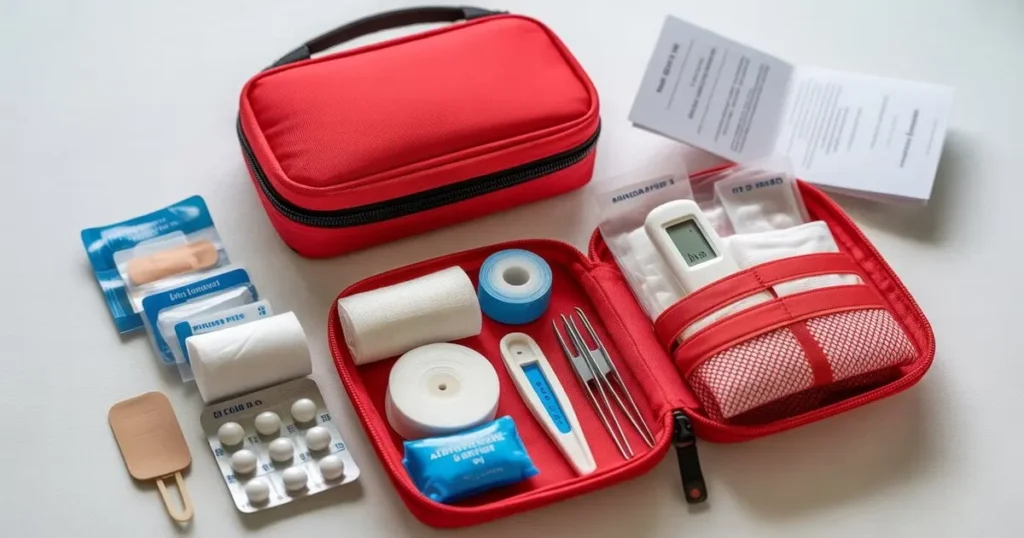
Essential Travel Health Kit
- Prescription medications (double your needs, split between bags)
- Pain relievers and fever reducers
- Anti-diarrheal medication and rehydration salts
- Antibiotic ointment and bandages
- Insect repellent with DEET
- Sunscreen (high SPF)
- Hand sanitizer and wet wipes
- Motion sickness medication
- Antacids
- Medical alert bracelet if you have allergies or conditions
How Can Solo Travelers Stay Safe?
Solo travel safety deserves special attention because you’re your own backup system. There’s no buddy to watch your bag while you pee or split a cab ride with when it’s late. But solo travel is also incredibly rewarding, and being alone doesn’t mean being vulnerable.
Stay connected. Check in regularly with someone back home. My mom gets a daily “I’m alive” message, even if it’s just a thumbs-up emoji. Set up expected check-in times, and if you miss one, they know something might be wrong.
Be strategic about accommodation. Hostels are great for meeting people, but choose ones with good security reviews. Private rooms in hostels offer a nice middle ground; you get the social atmosphere but with privacy and security. Read reviews specifically mentioning safety and theft incidents.
Socialize wisely. Meeting fellow travelers is one of the joys of solo travel, but keep your wits about you. Don’t broadcast your room number, don’t accept drinks you haven’t watched being prepared, and don’t feel obligated to spend time with anyone making you uncomfortable.
For solo female travelers, additional precautions matter. Dress conservatively in conservative countries. Learn about local cultural norms regarding women. Consider a fake wedding ring if it helps deflect unwanted attention. And unfortunately, yes, be extra cautious about accepting invitations from men, even seemingly friendly locals.
Act confident, even when you’re not. Predators of all types target people who look lost, scared, or vulnerable. Walk with purpose. Make eye contact. Project an aura of “I know exactly what I’m doing” even if internally you’re googling “is this the right bus?”
What Are the Best Practices for Securing Accommodation While Traveling?
Your accommodation is your home base, your sanctuary, your place to let your guard down, so securing accommodation properly is non-negotiable.
Research thoroughly before booking. Don’t just look at star ratings and photos. Read recent reviews, particularly from solo travelers and people in your demographic. Look for specific mentions of safety, neighborhood quality, and security measures. If multiple reviews mention theft or unsafe feelings, believe them.
Location matters more than you think. That cheap hotel is 30 minutes outside the city center. There’s probably a reason it’s cheap. Stay in well-populated, touristy areas, especially on your first night in a new place. You can explore authentic neighborhoods once you’ve got your bearings.
Check the locks immediately upon arrival. Does the door lock properly? Is there a deadbolt? Does the window secure? If anything seems sketchy, request a room change or find different accommodation. I’ve walked out of places that didn’t meet basic security standards, and I’ve never regretted it.
Use all available security features. Lock your door, use the deadbolt, and engage the chain lock. Use the safe for valuables. Hang the “Do Not Disturb” sign even when you’re out; it suggests someone’s inside.
Never open your door without verifying who’s there. Hotel staff should always call before coming to your room. If someone shows up unexpectedly claiming to be maintenance or housekeeping, call the front desk to verify before opening.
For hostels, use your own travel padlock on lockers. Some hostels provide locks, but they’re often cheap and easily broken. Invest in a quality lock and actually use it, every single time.
Accommodation Security Checklist
✓ Room door locks securely with a deadbolt
✓ Windows close and lock properly
✓ In-room safe is functional
✓ Smoke detector present and working
✓ Emergency exit route identified
✓ Front desk staffed 24/7
✓ CCTV in common areas
✓ Well-lit entrances and hallways
✓ Positive recent reviews regarding safety
✓ Neighborhood is safe for walking after dark
How to Avoid Risky Areas and Scams in Tourist Destinations?
Avoiding travel scams and risky areas requires education, vigilance, and a healthy dose of skepticism. Scammers specifically target tourists because we’re distracted, unfamiliar with local norms, and often carrying valuable items.
Research common scams for your specific destination. Rome has the “gladiator photo” scam. Paris has the “gold ring” trick. Bangkok has various gem scams. Each place has its own con artist playbook, and five minutes of research can save you hundreds of dollars and massive headaches.
The general rule: If it seems too good to be true, it is. That friendly local who just happens to speak perfect English and wants to show you around for free? Probably ending at their cousin’s overpriced shop. That taxi driver who insists your hotel is closed and suggests another? Commission-based deception. The person who “accidentally” spills something on you? Their partner is picking your pockets.
Never exchange money with random people on the street. Use official exchange offices or ATMs. Never let your credit card leave your sight. Watch it being swiped or inserted. Card skimming is prevalent in some countries, and a moment’s inattention can cost you big.
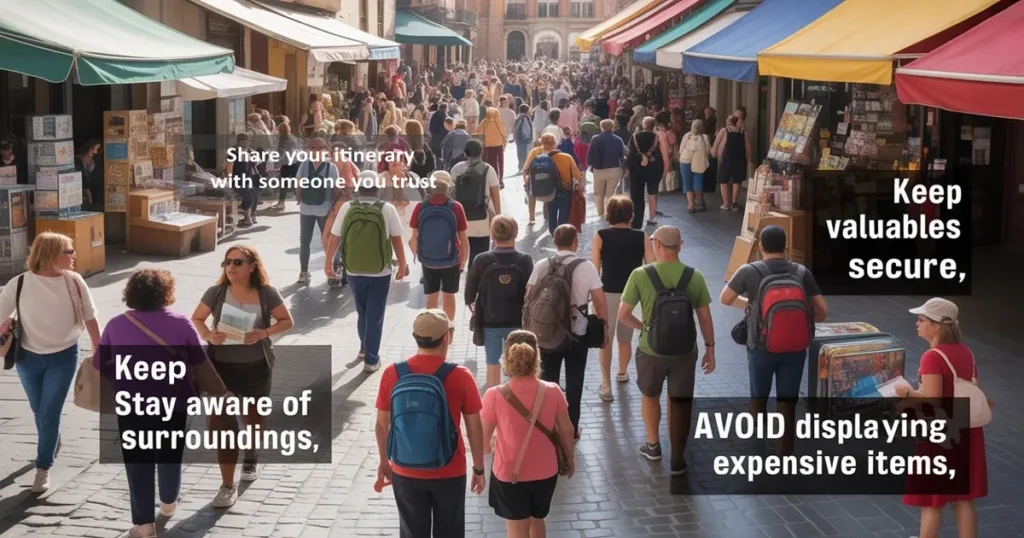
Stay alert in tourist hotspots; these are where pickpockets concentrate their efforts. Famous landmarks, busy markets, crowded public transport. Keep your bag in front of you, stay aware of who’s around you, and be especially vigilant during distractions like street performances.
Use technology to identify risky areas. Apps like GeoSure and even Google Maps reviews can give you insights into neighborhood safety. Local forums and travel groups on Facebook or Reddit provide current, real-world advice about which areas to avoid.
Common Travel Scams to Watch For
| Scam Type | How It Works | How to Avoid |
|---|---|---|
| Taxi overcharging | No meter, “broken” meter, scenic routes | Use ride-sharing apps, and agree on a price beforehand |
| Fake police | Criminals pose as police, check wallets/passports | Real police rarely stop tourists randomly, verify credentials |
| Friendship bracelet | Use ride-sharing apps, and agree on price beforehand | Keep hands in pockets, firmly decline |
| Closed attraction | Check the bill carefully before paying | Verify independently, don’t trust unsolicited advice |
| Restaurant bill padding | Claims your destination is closed, and offers an alternative | Extra items added to the bill |
| WiFi hacking | Fake public WiFi networks steal data | Use VPN, avoid sensitive transactions on public WiFi |
Essential Travel Safety Gear You Actually Need
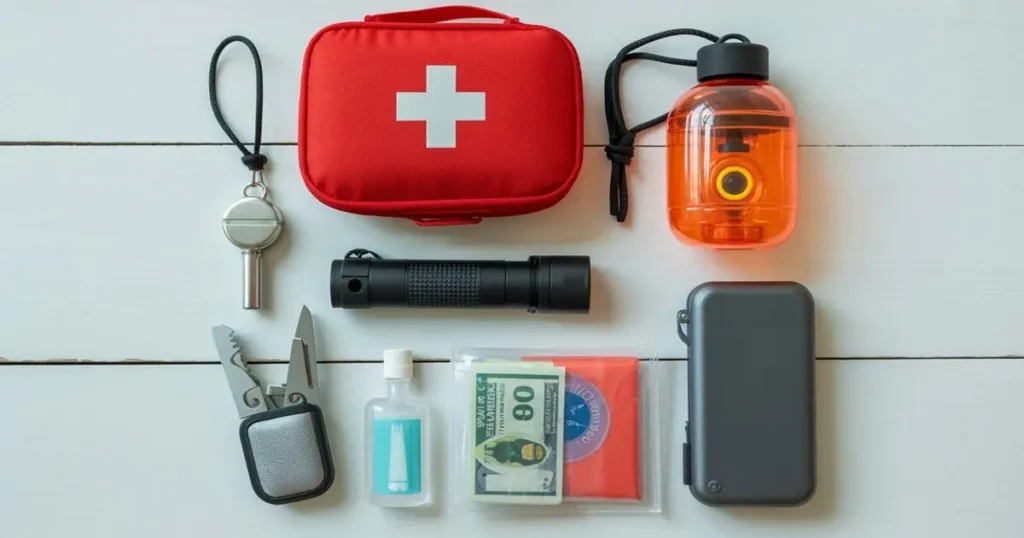
Let me break down the essential travel safety gear that’s actually worth your money versus marketing hype:
Invest in these:
RFID-blocking wallet: Twelve bucks on Amazon. Protects your cards from electronic theft. No-brainer.
Quality travel backpack with anti-theft features: Worth every penny. Slash-proof material, lockable zippers, hidden pockets. The peace of mind alone justifies the cost.
Portable door lock: Especially for hostels or sketchy hotels. Provides actual security beyond flimsy hotel locks.
First aid kit: Pre-made kits are okay, but I build my own with specific items I know I’ll need. Costs less and is more useful.
TSA-approved luggage locks: If you’re checking bags, these are essential. They keep your stuff secure while allowing TSA to inspect if needed.
Portable power bank: A dead phone is a safety liability. Keep your devices charged with a high-capacity power bank.
Universal travel adapter: Essential for staying connected. Get one with multiple USB ports to charge everything simultaneously.
Skip these (or at least deprioritize):
Expensive GPS trackers: Unless you’re truly going off-grid, your smartphone does everything you need.
Satellite phones: Only necessary for extreme remote travel. For 99% of trips, completely unnecessary.
Elaborate hidden money belts: Uncomfortable, obvious to experienced thieves, and generally more trouble than they’re worth. A simple money belt or clothing with hidden pockets works better.
Putting It All Together: Your Pre-Trip Safety Game Plan
Here’s the reality: you can’t control everything that happens when you travel. Flights get delayed, the weather turns bad, and sometimes you just end up in weird situations despite your best planning. But you absolutely can control how prepared you are.
Start your safety prep six weeks before departure. Get vaccinations, obtain travel insurance, make document copies, research your destination, and gather essential gear. This isn’t being paranoid, it’s being smart.
Two weeks out, finalize your emergency contacts, download offline maps and safety apps, notify your bank and credit cards, and pack your security items. One week before, reconfirm all bookings and double-check that you have everything on your safe travel checklist.
The night before you leave, do a final review. Passport? Insurance documents? Medications? Emergency contacts? All set? Good. Now take a breath and get excited about your adventure.
Because here’s what I want you to remember: travel safety tips aren’t about living in fear. They’re about creating a foundation of security that lets you actually enjoy your journey. When you know you’ve taken sensible precautions, you can relax into the experience, take calculated risks, and embrace the unexpected.
The world is an incredible place full of kind people, amazing experiences, and life-changing moments. Yes, bad things can happen. But armed with knowledge, preparation, and street smarts, you’re far more likely to come home with fantastic stories than horror stories.
So book that ticket. Pack that bag. Download those apps. Make those copies. And then go out there and have the adventure you’ve been dreaming about.
Stay safe out there. But more importantly, stay curious, stay bold, and stay ready for whatever comes next.
Now it’s your turn. What are your go-to travel safety strategies? Drop a comment below and share your best tips or your biggest travel lessons learned the hard way. And if this helped you feel more confident about your upcoming trip, share it with a friend who needs that extra push to book their adventure.
Ready to plan your safest trip yet? Check out our comprehensive guides on choosing the best travel insurance, packing light without sacrificing safety, and destination-specific safety tips for popular countries.