

Next-Gen Destinations 2025: The Future Travel Hotspots Everyone Is Talking About
Look, I’ll be honest with you. I’m tired of seeing the same Instagram carousel of the Eiffel Tower, Santorini’s blue domes, and that one overcrowded beach in Thailand. Don’t get me wrong, those places are stunning. But in 2025, there’s a quiet revolution happening in travel, and if you’re not paying attention, you’re missing out on something extraordinary.
Welcome to the era of next-gen destinations, places that are rewriting the rulebook on what it means to explore our world. These aren’t your parents’ vacation spots. They’re raw, real, and ridiculously exciting.
What Are Next-Gen Destinations, Anyway?
Here’s the thing: next-gen destinations aren’t just new places on a map. They’re entire experiences that challenge how we think about travel.
Think of them as the cool kids who just transferred to your school; they’ve got something different, something magnetic. These emerging travel destinations blend cutting-edge technology with authentic cultural experiences, wrap it all in sustainable practices, and serve it with a side of adventure you didn’t know you needed.
Traditional tourist spots? They’re like that restaurant chain you see everywhere. Sure, it’s reliable. But next-gen destinations are that hole-in-the-wall spot locals whisper about: the one that changes your entire perspective on what food (or in this case, travel) can be.
The DNA of Next-Generation Travel
What makes a destination “next-gen”? I’ve narrowed it down to five core elements:
1. Sustainability isn’t optional; it’s embedded
2. Technology enhances, doesn’t replace, human connection
3. Authenticity over Instagram-ability (though let’s be real, these places are gorgeous)
4. Local communities are partners, not props
5. Adventure meets accessibility
Why This Matters to You (Yes, You)
Maybe you’re thinking, “Cool story, but I just want a vacation where I can unplug.” I get it. But here’s why next-gen destinations should be on your radar in 2025:
The travel industry is at a crossroads. Climate change, overtourism, and cultural erosion have forced us to rethink everything. Next-gen destinations represent the future travel trends that prioritize both the planet and genuinely meaningful experiences.
Plus, and I’m speaking from experience here, there’s something incredibly satisfying about telling your friends you just got back from a place they’ve never heard of. That “wait, where?” moment? Chef’s kiss.
The Hotspots: Next-Generation Travel Locations Taking Over 2025
Let’s cut to the chase. Where should you actually go? Here are the next-generation travel hotspots for young travelers making waves this year:
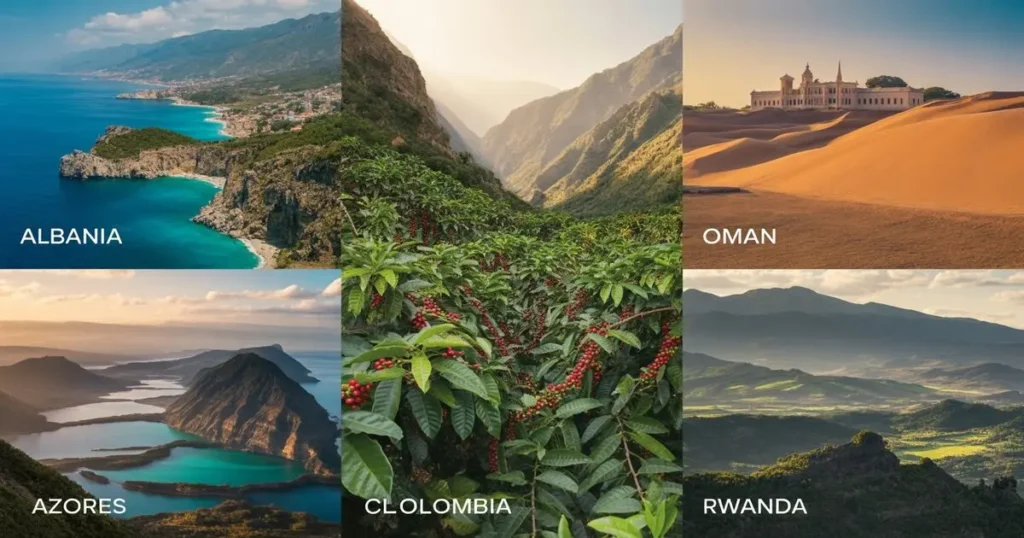
Albania’s Riviera
Forget Italy’s overpriced coastline. Albania offers crystal-clear Mediterranean waters, ancient ruins, and a nightlife scene that rivals Ibiza, at a fraction of the cost. The best part? You can still find secret beaches where you’re the only person for miles.
Colombia’s Coffee Region
This isn’t just about caffeine (though the coffee is incredible). The Zona Cafetera offers immersive travel experiences in emerging destinations where you can learn traditional farming methods, stay with local families, and hike through cloud forests that feel like another planet.
Oman
While Dubai gets all the attention, Oman quietly became one of the top environmentally friendly vacation spots in the Middle East. Think dramatic fjords, Bedouin hospitality, and sustainable luxury resorts that prove you don’t have to sacrifice comfort for consciousness.
The Azores, Portugal
These volcanic islands are basically nature’s playground for adventure travel in 2025. Whale watching, crater lakes, hot springs, and some of the best hiking in Europe. And it’s one of the most digital nomad-friendly travel destinations with solid WiFi and affordable living costs.
Rwanda
Yes, for the gorilla trekking. But also for its commitment to becoming Africa’s first carbon-neutral country. Rwanda represents eco-tourism next-gen at its finest, conservation-focused, community-driven, and absolutely transformative.
The Tech Factor: How Innovation Shapes These Destinations
One question I get constantly: what technologies are integrated into next-gen travel destinations?
It’s not about robots serving you cocktails (though that would be cool). It’s smarter than that.
AR-Enhanced Experiences: Some destinations now offer augmented reality guides that overlay historical information onto ruins or natural landmarks. You’re not just seeing a temple, you’re watching it get built in real-time through your phone.
Blockchain for Sustainable Tourism: Certain eco-tourism destinations with authentic local culture use blockchain to ensure your tourism dollars go directly to local communities. Complete transparency, zero middlemen.
AI-Powered Language Translation: Real-time translation devices (way better than Google Translate, trust me) make connecting with locals in remote areas easier than ever.
Smart Accommodations: Think solar-powered lodges with app-controlled climate systems that actually reduce your carbon footprint while keeping you comfortable.
Traditional vs. Next-Gen: What’s Really Different?
| Aspect | Traditional Tourist Spots | Next-Gen Destinations |
|---|---|---|
| Crowds | Packed, often overwhelming | Manageable, authentic interactions |
| Environmental Impact | Often high, rarely addressed | Sustainability built into infrastructure |
| Cultural Exchange | Surface-level, transactional | Deep, reciprocal relationships |
| Cost | Inflated for tourists | More affordable, fair pricing |
| Technology Use | Basic tourism apps | Integrated smart tourism systems |
| Accessibility | Easy but generic | Sustainability is built into infrastructure |
| Local Benefit | Debatable | Direct community investment |
The difference isn’t subtle. Traditional spots feel like museums. Next-gen destinations feel like living stories you get to be part of.
Gen Z Gets It: What Makes Destinations Appealing to Younger Travelers
As someone who’s watched Gen Z completely reshape travel culture, I can tell you they’re not looking for what their parents wanted. Here’s what makes a destination appealing to younger travelers like Gen Z:
Authenticity over luxury. They’d rather sleep in a locally-run guesthouse than a faceless hotel chain.
Experiences over possessions. That’s why immersive travel experiences in emerging destinations are blowing up. Learning to make pasta from a Sicilian grandmother? That’s currency.
Sustainability matters. This generation actually walks the walk. They research eco-tourism next-gen options and vote with their wallets.
Social connection: the real kind. Not just WiFi for posting (though that’s nice). They want to meet locals, other travelers, and form genuine connections.
Adventure with purpose. Whether it’s volunteering, learning a skill, or supporting local conservation, younger travelers want their trips to mean something.

Finding Authenticity: Your Guide to Real Experiences
How can travelers find authentic experiences in next-gen destinations? I’m glad you asked, because this is where most people fumble.
Ditch the big tour operators. Use platforms like Airbnb Experiences or local guide apps to connect with actual residents.
Learn basic phrases in the local language. Even butchering “hello” and “thank you” shows respect and opens doors.
Eat where locals eat. If there’s a menu in eight languages, keep walking.
Stay longer in fewer places. Three days in one city beats one day in three cities. Always.
Be curious, not invasive. Ask questions. Listen to stories. Don’t just extract content for your feed.
I once spent two weeks in a small Colombian village learning traditional weaving techniques. My Instagram suffered (terrible lighting, no filters). But the connections I made? Priceless. That’s the trade-off, and it’s worth it every single time.
The Sustainability Question: Are These Destinations Actually Eco-Friendly?
Let’s address the elephant in the eco-lodge: are next-gen destinations sustainable or eco-friendly?
Short answer: mostly yes, but with important caveats.
Many emerging travel destinations are building sustainability into their tourism models from the ground up. Rwanda’s plastic bag ban, Costa Rica’s renewable energy grid, Bhutan’s carbon-negative status; these aren’t marketing gimmicks. They’re policy.
However (and this is crucial), the sustainability of any destination depends on how you travel there. Flying produces emissions. Renting cars burns fuel. Staying in air-conditioned rooms uses energy.
Here’s how to travel more responsibly:
- Choose direct flights when possible (takeoffs and landings burn the most fuel)
- Stay longer to offset travel emissions
- Support businesses with verified sustainability certifications
- Bring a LifeStraw Personal Water Filter instead of buying plastic bottles
- Invest in quality gear like the BioLite CampStove 2 for eco-friendly camping
- Use solar chargers like Anker’s solar power bank to reduce energy consumption
Regions Leading the Charge in Next-Gen Tourism
Which regions or countries are leading in next-gen tourism development?
Europe: Portugal, Slovenia, and Estonia are pioneering smart city tourism and eco-friendly infrastructure.
Latin America: Colombia, Ecuador, and Costa Rica are balancing conservation with accessibility.
Asia: Bhutan, Japan, and Taiwan are integrating technology with cultural preservation.
Africa: Rwanda, Botswana, and Madagascar are setting new standards for community-based conservation tourism.
Middle East: Oman and Jordan are developing sustainable luxury models.
Oceania: New Zealand and small Pacific islands are protecting their environments while welcoming visitors.
The common thread? These places learned from others’ mistakes. They watched Barcelona and Venice crumble under tourist weight and said, “Not here.”
Preparing for the Unconventional: Remote Destination Travel Tips
How can travelers prepare for trips to unconventional or remote next-gen destinations?
This is where good planning separates incredible adventures from disaster stories. Here’s your checklist:
Before You Go:
Research thoroughly. Use resources like National Geographic Travel Guidebooks for in-depth cultural context.
Get proper gear. A quality backpack like the Nomad Lane Travel Backpack can make or break your trip.
Check visa requirements early. Some off-the-beaten-path destinations have complex entry rules.
Get travel insurance. Not optional for remote areas.
Download offline maps. Cell service is a luxury in many next-gen destinations.
Pack Smart:
- Vessi Waterproof Shoes for unpredictable weather
- REI Multi-tool for emergencies
- Travelambo RFID Passport Holder for security
- The North Face Eco-Friendly Jacket for varied climates
- Tribe Waterproof Phone Case for water activities
On the Ground:
Be flexible. Remote destinations operate on their own timeline.
Respect local customs. Research cultural norms beforehand.
Have cash. ATMs are rare in many emerging destinations.
Connect with locals. They’re your best resource for everything.
Capturing the Magic: Document Your Journey
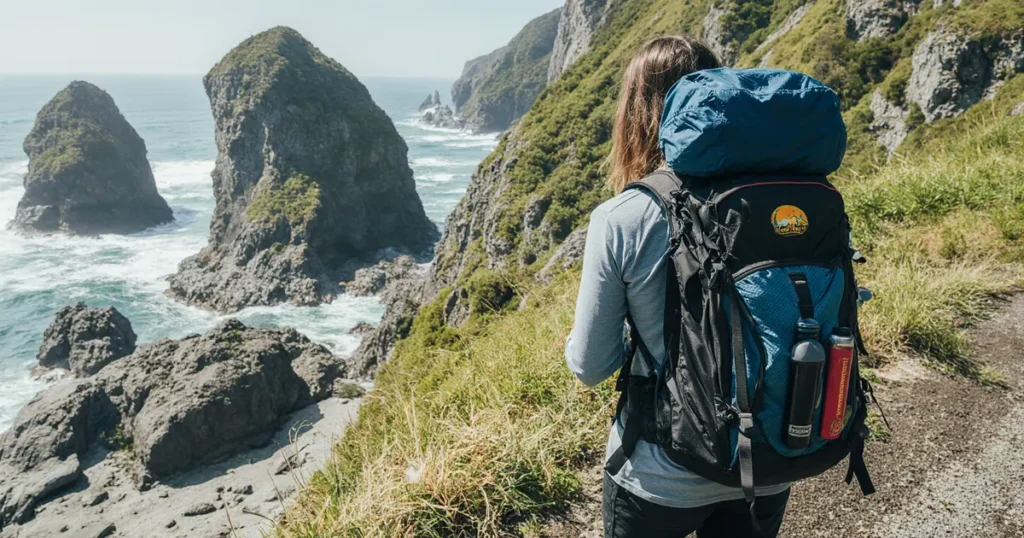
Let’s talk about the elephant in the camera bag: how do you capture these experiences without being that tourist?
The GoPro HERO12 Black is perfect for action shots without being obtrusive. And if you’re serious about aerial photography, the DJI Mini 3 Pro Drone creates stunning footage of remote nature spots while being travel-friendly.
But here’s my rule: for every hour you spend behind a camera, spend five being present. The best souvenir is the memory, not the megapixels.
Emerging Trends Shaping 2025 Travel
What are the emerging trends in next-gen destination travel for 2025? Let me break down what I’m seeing:
Slow Travel is Accelerating: People are taking longer trips to fewer places. Quality over quantity.
Bleisure is Booming: Blending business and leisure, especially in digital nomad-friendly travel destinations.
Regenerative Tourism: Going beyond “leave no trace” to actually improving destinations.
Micro-Adventures: Weekend trips to nearby hidden gem travel locations for adventure seekers.
Solo Female Travel: More women than ever are exploring the world independently, and destinations are adapting.
Carbon-Conscious Choices: Travelers are choosing airlines like JetBlue’s Sustainable Travel Program that prioritize lower emissions.
Community-Led Experiences: Tours and stays designed and operated by local communities.
The Accommodations Revolution
Where you stay matters as much as where you go. The rise of Booking.com Sustainable Stays makes finding eco-friendly accommodations easier than ever.
But don’t just filter for “eco-friendly” and call it a day. Read reviews. Look for specific certifications. Ask questions about water conservation, energy sources, and community employment.
The REI Co-op Half Dome Tent is perfect if you’re camping in remote areas, offering durability without excess weight.
Supporting Conservation While You Travel
Here’s something beautiful: your trip can actively help preserve these next-gen destinations.
Programs like WWF Adopt an Animal directly fund conservation in emerging eco-tourism destinations. It’s a meaningful way to give back while you explore.
Many destinations also offer volunteer opportunities, wildlife monitoring, trail maintenance, and teaching English. Just vet organizations carefully to ensure they’re legitimate and beneficial to local communities.
Essential Travel Comfort for Long Journeys
Let’s get practical for a second. Long-haul flights to remote destinations are brutal. Nomader Compression Socks genuinely make a difference for circulation and comfort.
Pair those with the Osprey Daylite Plus Backpack as your personal item, and you’ve got a comfortable, organized travel setup that works for both flights and day excursions.
Small things like the Lifeventure Travel Wallet with RFID-blocking technology protect you from digital theft without adding bulk.
The Bottom Line: Why Next-Gen Destinations Matter
We’re at a pivot point in travel history. The old model, extract, consume, move on, is dying. And honestly? Good riddance.
Next-gen destinations represent something better. They prove you can have adventure without exploitation, luxury without waste, and authenticity without commodification.
These places matter because they’re showing us a different way forward. One where travel enriches rather than erodes. Where your presence benefits rather than burdens. Where discovering the world means protecting it, too.
Your Next Move
So here’s my challenge to you: pick one next-gen destination from this article. Do some research. Book a platform like Airbnb Experiences to find authentic local activities. Start planning.
The world’s changing fast, and these destinations won’t stay hidden forever. Albania’s Riviera is already blowing up. The Azores are getting discovered. Soon, they’ll be the new “everyone goes there” spots, and we’ll need to find the next wave.
But that’s the beautiful thing about next-gen travel: there’s always another hidden gem waiting. Another community ready to share their story. Another adventure that’ll change how you see everything.
Where are you going in 2025? Whatever you choose, go with intention. Travel with curiosity. Leave it better than you found it.
And for the love of good travel karma, please don’t take a selfie at every single spot. The world is too beautiful to see through a screen.

Ready to explore? Share this article with your travel buddy, save it for trip planning, and let us know in the comments which next-gen destination you’re adding to your bucket list. The future of travel starts with your next booking.
Further Reading:
Want deeper dives into specific destinations? Check out our guides on sustainable adventure travel destinations, best offbeat travel destinations for millennials, and our monthly roundup of up-and-coming travel cities for 2025.
FAQ Deep Dive: Everything You Still Want to Know
Since we’ve covered a lot of ground (literally), let me address some lingering questions you might have about next-gen destinations.
What Exactly Defines a “Next-Gen” Destination?
I know we touched on this, but let’s get specific. A next-gen destination isn’t just about being new or undiscovered. It’s about how a place approaches tourism holistically.
These destinations have learned from decades of tourism mistakes. They’ve watched places like Venice sink under the weight of cruise ships and said, “We’re doing this differently.” They implement visitor caps, require permits for sensitive areas, and actively involve local communities in tourism planning.
It’s the difference between a place that happens to have tourists and a place that has thoughtfully designed a sustainable tourism ecosystem.
The Budget Reality: Are These Destinations Affordable?
Here’s the truth nobody wants to talk about: next-gen doesn’t automatically mean cheap. But it often means better value.
Cost Breakdown Comparison:
| Expense Type | Traditional Hotspot (Paris) | Next-Gen Destination (Albania) |
|---|---|---|
| Accommodation (per night) | $150-300 | $40-80 |
| Meals (daily average) | $60-100 | $20-35 |
| Activities/Tours | $50-150 per activity | $25-60 per activity |
| Transportation | $30-50 daily | $10-20 daily |
| Total Weekly Estimate | $2,100-3,500 | $700-1,400 |
Yes, getting to these places might cost more (fewer direct flights), but once you’re there, your money goes significantly further. Plus, more of it goes directly into local economies rather than multinational hotel chains.
Pro tip: Use budget airlines for positioning flights. JetBlue’s Sustainable Travel Program offers competitive pricing with environmental consciousness built in.
How Do I Know a Destination Won’t Be Ruined by Tourism?
This is the question that keeps conscious travelers up at night. The sad truth? You can’t guarantee it. But you can be part of the solution rather than the problem.
Green Flags to Look For:
- Visitor caps or permit systems in sensitive areas
- Strong local government involvement in tourism planning
- Active conservation programs you can observe
- Tourism revenue transparency – where does the money actually go?
- Community ownership of tourism businesses
- Education requirements for visitors (briefings, codes of conduct)
Red Flags to Avoid:
- Destinations advertising themselves as “the next [insert overtouristed place]”
- Rapid, unchecked development of international resort chains
- Zero local involvement in tourism operations
- Lack of infrastructure to handle growing visitor numbers
- Wildlife interaction experiences that seem exploitative
What If I Don’t Speak the Language?
I’m not going to lie, language barriers exist, especially in off-the-beaten-path destinations. But they’re also not the obstacle you think they are.
Modern translation technology has gotten scary good. Download Google Translate’s offline language packs before you go. Learn 10-15 essential phrases. Use gestures, draw pictures, be willing to laugh at yourself.
Some of my most meaningful connections happened when language failed and we had to communicate through shared meals, laughter, and genuine effort to understand each other. It’s humbling in the best way.
Can I Travel Solo to These Places Safely?
Safety is subjective and varies wildly by destination, but here’s what I’ve learned after years of solo travel:
Solo Travel Reality Check:
Next-gen destinations are often safer than popular tourist traps. Why? Less crime targeting tourists, tighter communities, and visitors who stand out (in a good way) get looked after.
That said, use common sense:
- Research specific safety concerns for women/LGBTQ+ travelers, if applicable
- Don’t flash expensive gear
- Trust your instincts
- Stay connected (local SIM cards are cheap)
- Share your itinerary with someone back home
- Join group activities through platforms like Airbnb Experiences to meet other travelers
The Lifeventure Travel Wallet with RFID protection is essential for solo travelers managing documents independently.
What About Healthcare in Remote Areas?
Real talk: healthcare infrastructure in emerging destinations can be limited. Here’s how to prepare:
Before You Go:
- Get comprehensive travel insurance with evacuation coverage (non-negotiable)
- Visit a travel medicine clinic 6-8 weeks before departure
- Get required vaccinations
- Bring a well-stocked first aid kit
- Know where the nearest quality medical facility is
- Download offline medical phrase books
Pack These Essentials:
- Prescription medications (in original bottles, plus copies of prescriptions)
- Basic antibiotics if your doctor will prescribe them
- Anti-diarrheal medication
- Pain relievers
- Antihistamines
- Water purification (the LifeStraw Personal Water Filter is clutch)
How Long Should I Plan to Stay?
The beauty of next-gen destinations is that they reward slow travel. Unlike hitting five European capitals in a week, these places need time to reveal themselves.
Ideal Duration by Destination Type:
Small islands or regions: 5-7 days minimum
Countries with diverse geography: 2-3 weeks
Digital nomad stays: 1-3 months
True immersion experiences: 6+ months
Remember: the longer you stay, the lower your per-day cost and carbon footprint. Plus, you’ll actually understand the place instead of just seeing it.
What If I Travel with Kids?
Next-gen destinations can be incredible for families; your kids will learn more in two weeks than in a semester of geography class. But it requires different planning.
Family-Friendly Next-Gen Picks:
- Costa Rica: Infrastructure, adventure, and education in one package
- Portugal (Azores): Safe, beautiful, and manageable
- Slovenia: Compact, clean, family-oriented culture
- New Zealand: Outdoor paradise with excellent facilities
Pack Accordingly: The REI Co-op Half Dome Tent accommodates families, and the Osprey Daylite Plus Backpack works perfectly for kids’ essentials during day trips.
How Do I Handle Connectivity Issues?
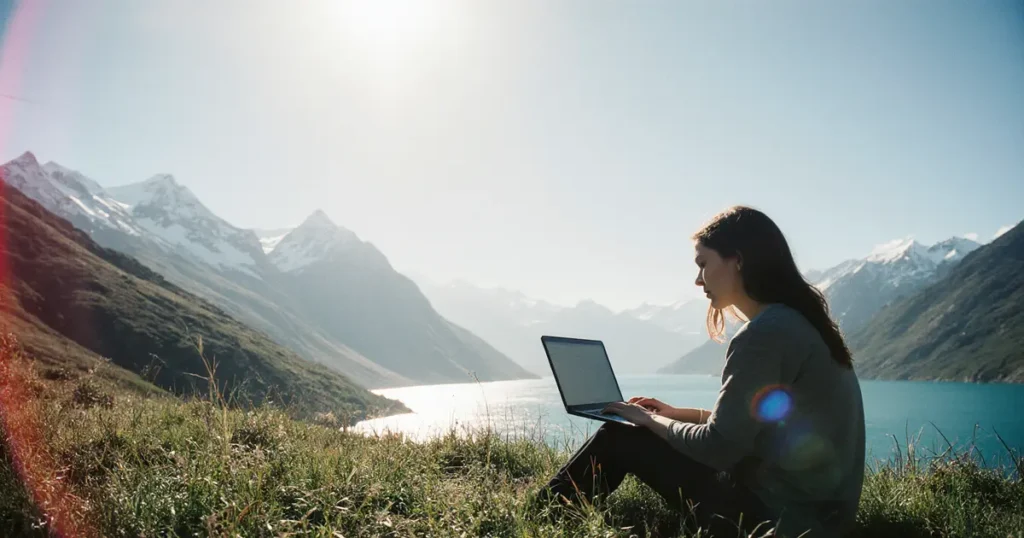
If you need constant connectivity for work, be strategic. Research internet reliability beforehand. Many digital nomad-friendly travel destinations have co-working spaces with solid WiFi.
The Anker Solar Power Bank ensures you’re never completely powerless, even in remote areas. Download offline entertainment, maps, and essential documents before heading to spotty coverage zones.
Making It Real: A 7-Day Sample Itinerary (Albania Edition)
Theory is great, but let’s get practical. Here’s what a week in a next-gen destination actually looks like:
Day 1-2: Tirana
Arrive, adjust to time zones, and explore the capital’s communist history turned vibrant street art scene. Stay in a locally-run guesthouse ($40/night). Eat at family restaurants, not tourist traps.
Day 3-4: Berat
UNESCO World Heritage site, stunning Ottoman architecture. Hike to the castle, wander white-stone streets, drink wine from local vineyards. Book through local guides, not international tour companies.
Day 5-7: Albanian Riviera
Beach time in Dhërmi or Himara. Snorkel in crystal waters, watch sunsets from ancient coastal fortresses, and eat the freshest seafood of your life. Camp using your REI tent or stay in beach huts.
Total Cost: $700-900, including accommodation, food, transport, and activities. Priceless memories? Those are free.
The Dark Side: When Next-Gen Destinations Go Wrong
I’d be lying if I painted this as perfect. Some places bill themselves as next-gen but are just greenwashing operations. Others genuinely try but get overwhelmed too quickly.
Case Studies in Caution:
Iceland was once the poster child for responsible tourism. Then Instagram happened. Now parts of the country struggle with overtourism, infrastructure strain, and environmental damage.
Tulum marketed itself as eco-conscious bohemia. It became an influencer circus with environmental problems and displaced local communities.
The lesson? Next-gen destinations are fragile. Our responsibility as travelers is to recognize when a place is reaching capacity and choose differently.
Your Role in the Next-Gen Travel Movement
This isn’t just about you having cool vacations (though you absolutely will). You’re participating in a fundamental shift in how humans interact with the planet.
The Conscious Traveler Pledge:
- I will research before I book
- I will respect local cultures and customs
- I will leave places better than I found them
- I will spend money directly with local businesses
- I will travel during the shoulder seasons when possible
- I will be honest in my reviews to help other conscious travelers
- I will call out greenwashing when I see it
- I will share knowledge, not just photos
Post this pledge somewhere visible. Let it guide your travel decisions. Make it mean something.
The Future Beyond 2025
Where does next-gen travel go from here? If current trends continue, we’re heading toward:
Hyper-local micro-tourism: Exploring within 100 miles of home
Space tourism (for the ultra-wealthy, but still)
Virtual reality previews before booking
Carbon-negative travel as the standard, not the exception
Universal basic income enabling longer, slower travel for more people
Climate migration is reshaping which destinations are even viable
The landscape is changing fast. The places we can visit in 2025 might not be accessible in 2035. Which is all the more reason to go now, go responsibly, and go with intention.
Resources to Deepen Your Knowledge
Want to really master next-gen travel? Here are resources beyond this article:
Books:
- “The Art of Travel” by Alain de Botton
- “Atlas Obscura” (the book and website)
- “Overbooked: The Exploding Business of Travel and Tourism” by Elizabeth Becker
Podcasts:
- Zero To Travel
- The Travel Diaries
- Armchair Expert (travel episodes)
Organizations:
- Center for Responsible Travel (CREST)
- The International Ecotourism Society
- Sustainable Travel International
Tools:
- Rome2Rio for multi-modal transport planning
- Atlas Obscura for hidden gems
- National Geographic Travel Guidebooks for depth
One Last Thing…
I’ve been writing about travel for years, and I’ve never been more optimistic about where we’re headed. Yes, there are problems. Big ones. Climate change, economic inequality, cultural erosion, they’re all real.
But next-gen destinations prove that another way is possible. That we can explore without exploiting. That adventure and ethics aren’t mutually exclusive.
The world is big, beautiful, and begging to be discovered. Not consumed. Not conquered. Just… experienced. With respect, curiosity, and a commitment to leaving it intact for the next generation of travelers.
So grab your Nomad Lane backpack, book that flight, and go find your next-gen destination. The world’s waiting.
And by the way, when you come back, tell me everything. The best travel tips come from travelers themselves, and we’re all in this together.
Safe travels, friends. Make them count!