
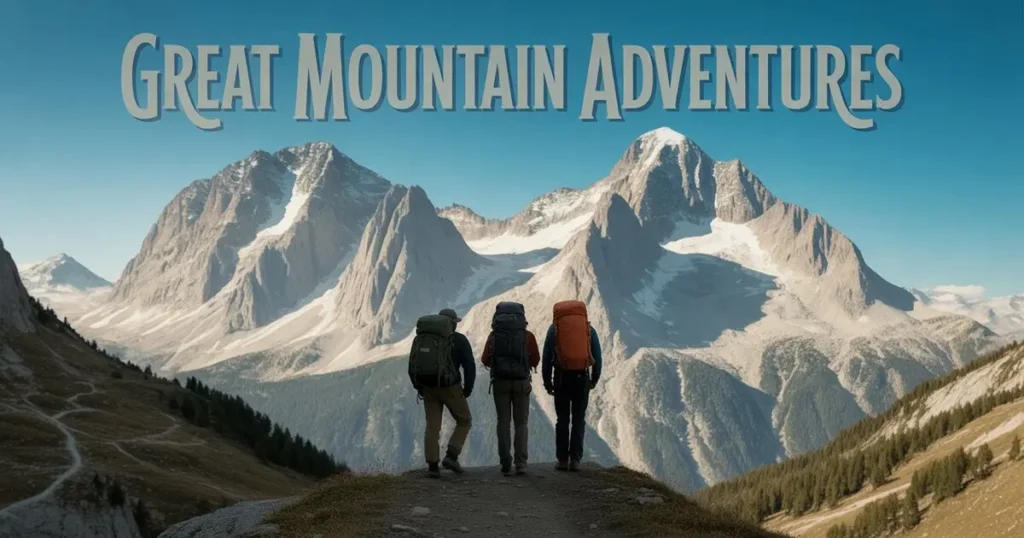
Mountain Adventure: Why Standing at the Base of a Peak Feels Life-Changing
There’s something almost spiritual about standing at the base of a mountain, craning your neck upward, wondering if you’ve got what it takes. I’ve been there more times than I can count, that mix of excitement and terror that makes your heart race before you’ve even taken your first step. Whether you’re dreaming of your first mountain adventure or you’re a seasoned climber looking to up your game, the mountains have a way of humbling us all while simultaneously making us feel more alive than ever.
Mountain climbing isn’t just a hobby; it’s a calling. And here’s the thing: you don’t need to be an Olympic athlete or have a trust fund to get started. What you do need is the right information, proper gear, and a healthy respect for what you’re getting into. So grab your favourite warm beverage, get comfortable, and let me walk you through everything you need to know about mountain adventures in 2025.
Understanding Mountain Adventures: More Than Just Walking Uphill
Let me be straight with you, mountain adventure is an umbrella term that covers everything from casual day hikes on well-marked trails to technical climbs that require ropes, ice axes, and nerves of steel. Before you start browsing mountaineering gear online at 2 AM (we’ve all been there), you need to figure out what kind of mountain experience you’re actually after.
Types of Mountain Adventures:
- Hiking and Trekking: No technical skills required, just good boots and determination
- Scrambling: A bit more adventurous, might need your hands occasionally
- Alpine Climbing: Now we’re talking ropes, harnesses, and actual climbing skills
- Ice Climbing: Vertical frozen waterfalls and glaciers, seriously cool but seriously challenging
- Mountaineering: The full package, technical climbing at high altitudes with all the gear
The beauty of mountain adventures is that there’s an entry point for everyone. You don’t have to summit Everest to call yourself a mountaineer. Some of my most memorable experiences have been on “beginner” mountains where the views were just as spectacular and the sense of accomplishment just as real.
Essential Gear: What You Actually Need (And What’s Just Marketing Hype)
What Essential Gear Do I Need for a Mountain Adventure?
Here’s where things get real. The outdoor industry loves to convince you that you need every gadget imaginable, but I’m going to give it to you straight. Your gear needs depend entirely on what type of mountain adventure you’re planning.
The Non-Negotiables:
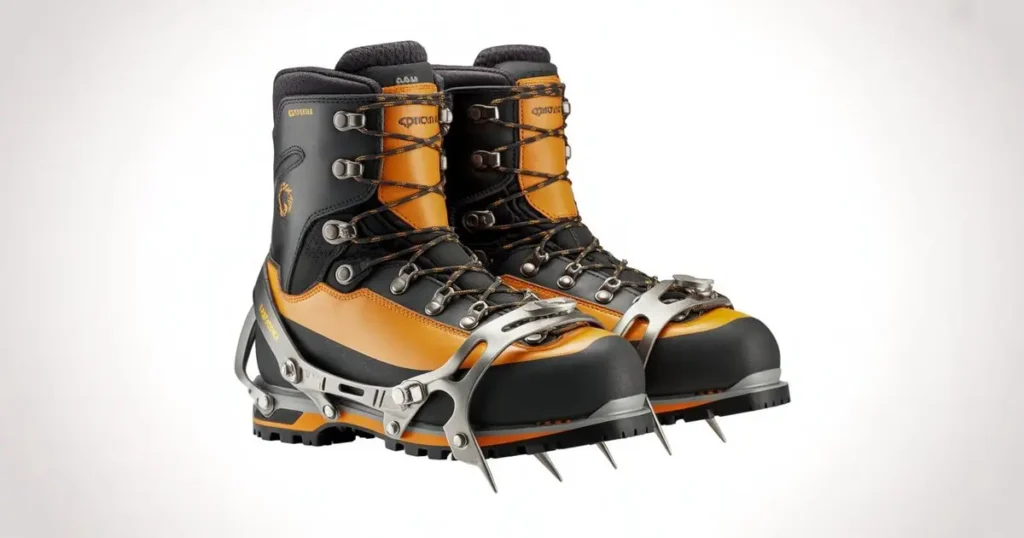
Mountaineering Boots: This is where you don’t cheap out. Your feet are literally your foundation. The La Sportiva Nepal Cube GTX boots are the gold standard for technical climbs, insulated, rigid enough for crampons, yet surprisingly comfortable for all-day wear. For high-altitude expeditions, consider the Scarpa Phantom 6000 boots, which are basically like wearing a sleeping bag on your feet.
Crampons: If you’re venturing onto snow, ice, or glaciers, crampons are your new best friends. The Black Diamond Sabretooth Crampons are versatile enough to handle everything from glacier walking to steeper ice climbing. They’re like snow tyres for your boots, except way cooler.
Ice Axe: The Petzl Nomic Ice Axe is lightweight yet durable, perfect for self-arrest if you start sliding down a slope (yes, that’s as scary as it sounds, and yes, you need to practice before you need it).
Climbing Helmet: Your brain is kind of important. The Petzl Sirocco is so light you’ll forget you’re wearing it, but it’ll absolutely save your skull from rockfall or that embarrassing moment when you bump your head on an overhang.
Mountaineering Harness: The Black Diamond Momentum Harness offers the perfect balance of comfort and functionality. Trust me, when you’re hanging in your harness for extended periods, comfort matters a lot.
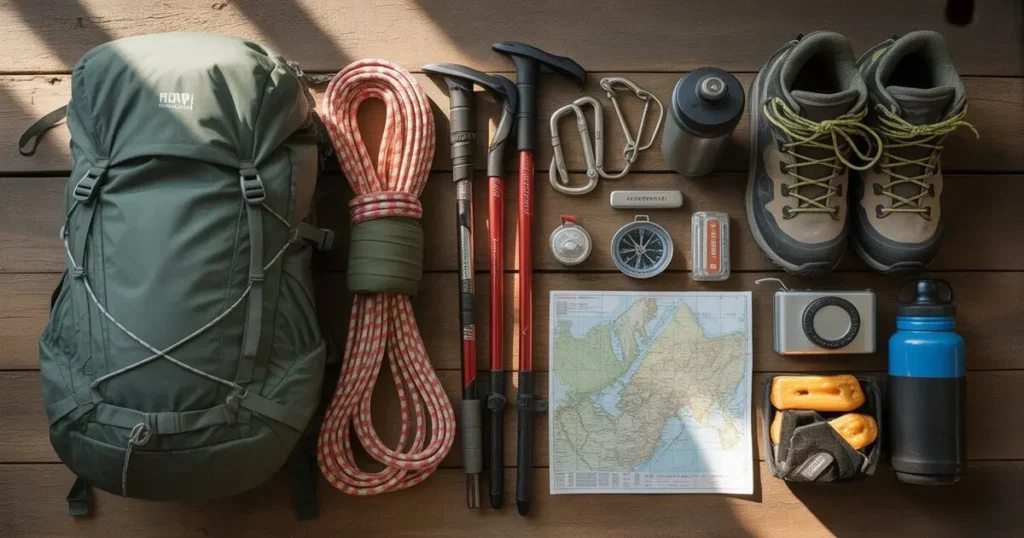
The Often-Forgotten Essentials:
Let’s talk about the gear people overlook until they really need it. A Garmin InReach Mini Satellite Communicator might seem like overkill until you’re in a situation where cell service is a distant memory and you need to communicate with the outside world. It’s peace of mind in a tiny package.
Avalanche safety isn’t optional if you’re doing winter mountain adventures. The Mammut Barryvox S Avalanche Transceiver could literally be the difference between life and death. Pair it with a probe and shovel, and make sure you actually know how to use them before you hit the backcountry.
How to Choose the Right Mountaineering Boots and Crampons
This deserves its own section because getting it wrong makes for a miserable time. Your boots and crampons need to work together like a well-choreographed dance team.
| Boot Type | Best For | Crampon Compatibility |
|---|---|---|
| Single Boots | Day trips, moderate conditions | Step-in or strap-on |
| Double Boots | High altitude, extreme cold | Step-in only |
| Hybrid Boots | Technical climbing, varied conditions | Step-in recommended |
The La Sportiva Nepal Cube GTX works beautifully with the Black Diamond Sabretooth Crampons because they’re both designed for that intermediate-to-advanced sweet spot. Pro tip: always try mounting your crampons to your boots before you’re on the mountain. Nothing’s worse than discovering they don’t fit properly when you’re already at 12,000 feet.
Physical Preparation: Getting Your Body Mountain-Ready
How Do I Prepare Physically for Mountaineering?
I’m not going to sugarcoat this: mountaineering is physically demanding. But here’s the good news: you don’t need to be a CrossFit champion to get started. You just need to be smart about your training.
The Three Pillars of Mountain Fitness:
Cardiovascular Endurance: Mountains are essentially stair-steppers that never end. Start with regular hiking, gradually increasing elevation and distance. If you live in a flat area, become best friends with your local stadium steps or find the tallest building you can repeatedly climb.
Strength Training: Focus on legs (obviously), but don’t neglect your core and upper body. Squats, lunges, and step-ups should become part of your routine. Your back needs to handle that heavy backpack for hours on end, so deadlifts and rows are your friends.
Altitude Acclimatisation: This is the tricky one. Your body needs time to adjust to reduced oxygen levels at high altitude. If possible, do some practice hikes at elevation before your big trip. For high-altitude mountain climbing tips, the golden rule is “climb high, sleep low” during your acclimatisation period.
What Kind of Training Is Needed for High-Altitude Mountain Adventure?
High-altitude climbing is a different beast entirely. Above 8,000 feet, your body starts noticing the oxygen difference. Above 14,000 feet, things get really interesting.
High-Altitude Training Protocol:
- Start training at least 3-6 months before your trip
- Include weighted pack training, gradually increase to 30-40 pounds
- Practice breathing techniques to maximise oxygen intake
- Consider altitude training masks or hypoxic tents if you’re serious
- Join mountaineering training programs for technical skills
The Outdoor Research Alti Gloves aren’t just about keeping your hands warm; they’re designed for high-altitude conditions where dexterity matters but frostbite is a real risk.
Safety First: Because Mountains Don’t Care About Your Instagram
What Are the Best Safety Practices for Climbing Mountains?
Real talk: mountains are dangerous. They’re beautiful, exhilarating, and life-changing, but they demand respect. I’ve seen too many people underestimate conditions because they were focused on getting the perfect photo.
Non-Negotiable Safety Rules:
- Always check weather forecasts and be willing to turn back
- Tell someone your route and expected return time
- Carry the ten essentials (navigation, sun protection, insulation, illumination, first-aid, fire, repair tools, nutrition, hydration, emergency shelter)
- Know your limits and don’t let ego push you beyond them
- Never climb alone on technical routes
The Petzl Tikka Headlamp might seem like a simple item, but adequate lighting can prevent accidents and help you navigate if you’re caught out after dark (which happens more often than people admit).
How to Stay Safe from Avalanches During a Mountain Expedition
Avalanche safety deserves serious attention. Every year, experienced mountaineers get caught in avalanches because they either ignored warning signs or didn’t have proper avalanche safety gear.
Avalanche Safety Protocol:
- Check avalanche forecasts religiously
- Learn to recognise terrain traps and dangerous slopes
- Always carry a transceiver, probe, and shovel; the Mammut Barryvox S is industry-standard
- Take an avalanche safety course before tackling winter mountain adventure essentials
- Travel one at a time across suspect slopes
- Never assume a slope is safe because someone else crossed it
Avalanche Terrain to Avoid:
| Slope Angle | Risk Level | Recommendation |
|---|---|---|
| 0-25° | Low | Generally safe |
| 25-35° | Moderate | Assess conditions carefully |
| 35-45° | High | Prime avalanche terrain, extreme caution |
| 45°+ | Variable | Too steep for snow buildup, but beware of areas above/below |
Weather Wisdom: Mother Nature’s Mood Swings
What Weather Conditions Should I Be Prepared for in Mountain Adventures?
Mountain weather is notoriously unpredictable. I’ve experienced all four seasons in a single day on multiple occasions. The Arc’teryx Beta AR Jacket is my go-to because it handles everything from drizzle to sideways rain while actually letting moisture escape so you don’t turn into a soggy mess inside.
Weather Preparation Checklist:
Layering System:
- Base layer (moisture-wicking)
- Mid-layer for insulation (the Rab Neutrino Pro Down Jacket is clutch)
- Outer shell for wind and precipitation
Temperature Regulation: The key is versatility. Mountains create their own weather patterns; valleys can be warm while peaks are frozen. Pack for the worst conditions you might encounter, not the conditions you hope to encounter.
Sun Protection: At altitude, UV radiation is significantly stronger. Sunburn at 14,000 feet is no joke; it’s exponentially worse than at sea level.
Choosing Your Mountain: Matching Adventure to Ability
Which Mountains Are Best for Beginners vs. Experienced Climbers?
This is where a lot of people get it wrong. There’s no shame in starting with “easier” peaks. In fact, that’s exactly what you should do.
Best Mountain Adventure Trips for Beginners:
- Mount Washington (New Hampshire, USA): Don’t let the accessibility fool you; this mountain has legitimate weather challenges
- Mount Rainier (Washington, USA): A proper mountaineering experience with glaciers and altitude
- Island Peak (Nepal): Perfect stepping stone toward bigger Himalayan objectives
- Mount Shasta (California, USA): Excellent for learning crampon and ice axe techniques
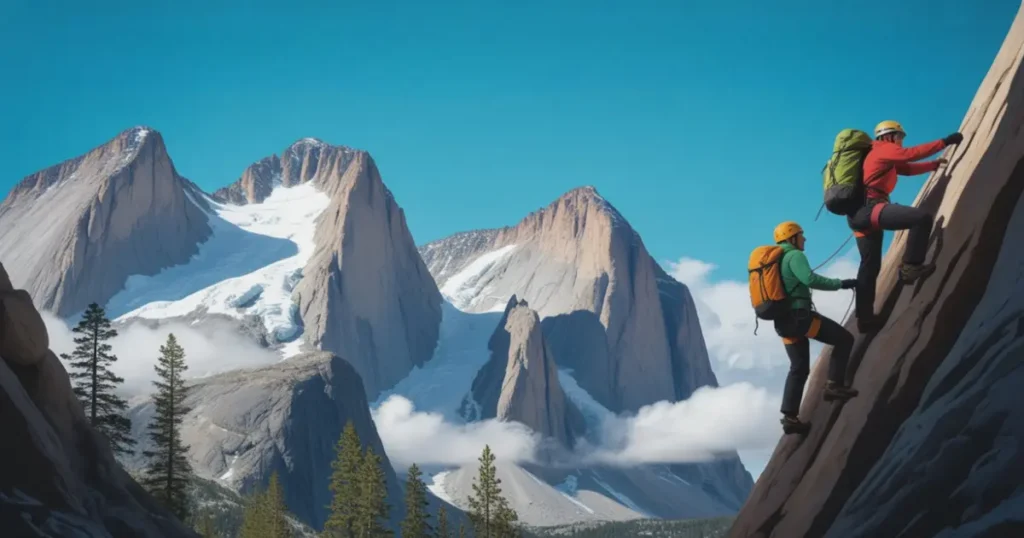
Mountains for Experienced Climbers:
- Denali (Alaska, USA): The ultimate North American mountaineering challenge
- Matterhorn (Switzerland/Italy): Technical and exposed, not for the faint of heart
- Mount Elbrus (Russia): Europe’s highest peak with serious altitude challenges
- Aconcagua (Argentina): High-altitude experience without technical climbing
What Are the Best Destinations for Mountain Adventures Worldwide?
If you’re looking at the best mountain adventure destinations globally, consider these factors: accessibility, permit requirements, season, technical difficulty, and cultural experience.
Top Global Destinations:
North America:
- Rocky Mountains (Colorado)
- Canadian Rockies (Alberta/BC)
- Cascades (Washington/Oregon)
Europe:
- Alps (France, Switzerland, Austria, Italy)
- Dolomites (Italy)
- Scottish Highlands
Asia:
- Himalayas (Nepal, India, Pakistan)
- Karakoram Range
- Japanese Alps
South America:
- Patagonia (Chile/Argentina)
- Peruvian Andes
- Ecuadorian Volcanoes
Each destination offers unique challenges and rewards. The key is researching not just the climbing conditions, but also logistics like permits, guide requirements, and optimal seasons.
The Financial Reality: What Does This Actually Cost?
What Is the Typical Cost of a Guided Mountain Adventure Trip?
Let’s talk money because this sport isn’t free. However, it’s also not as expensive as you might think, at least to get started.
Budget Breakdown:
Entry-Level Gear Package: $1,500-$2,500
- Basic mountaineering boots: $300-500
- Crampons: $150-250
- Ice axe: $150-300
- Helmet: $80-150
- Harness: $60-100
- Clothing layers: $300-500
- Backpack (like the Osprey Atmos AG 65): $250-300
Guided Trip Costs:
| Destination | Duration | Typical Cost |
|---|---|---|
| Local Peak (1-2 days) | 1-2 days | $500-1,000 |
| Mount Rainier | 4-5 days | $1,500-2,500 |
| Kilimanjaro | 7-9 days | $2,000-5,000 |
| Aconcagua | 18-20 days | $5,000-8,000 |
| Everest Base Camp | 12-14 days | $1,200-2,500 |
| Denali | 21 days | $8,000-12,000 |
Ways to Reduce Costs:
- Buy quality used gear from reputable sources
- Rent expensive items you’ll rarely use
- Join climbing clubs for gear discounts and shared resources
- Train locally before investing in guided expeditions
- Consider off-peak season trips
Technical Gear Deep Dive: The Details Matter
Mountaineering Backpack Essentials
The Osprey Atmos AG 65 isn’t just a backpack; it’s your mobile base camp. At 65 litres, it holds everything you need for multi-day mountain expeditions, while the Anti-Gravity suspension system actually makes it comfortable to carry.
What Goes in Your Pack:
Core Systems:
- MSR Remote 2 Stove System: Compact, efficient, works in wind
- Therm-a-Rest NeoAir XTherm Sleeping Pad: R-value of 7.3 keeps you insulated from frozen ground
- Sea to Summit Ascent Dry Sack: Keeps critical gear dry in all conditions
Safety and Navigation:
- Maps and compass (yes, even with GPS)
- Garmin InReach Mini: Your lifeline when things go wrong
- Petzl Tikka Headlamp: Extra batteries are non-negotiable
- First aid kit customised for mountain environments
Food and Water:
- MSR Guardian Purifier Pump: Clean water anywhere, even from questionable sources
- High-calorie, easy-to-eat foods (cold affects appetite)
- Extra day’s worth of food as a buffer
Mountaineering Rope and Carabiners: Life on a Line
Technical climbing gear for mountains needs to be bomber-proof. The Black Diamond ATC Belay Device is simple, reliable, and has saved countless lives. Pair it with locking carabiners and an appropriate-length rope for your objectives.
Rope Selection:
- Single rope (9.5-10.5mm): Most versatile for mountaineering
- Half/twin ropes: For wandering routes with potential for retreat
- Static rope: For fixed lines and glacier travel
Don’t skimp on carabiners—your life literally hangs on them. Look for UIAA-certified equipment, and inspect everything before each trip.
Capturing the Experience: Mountain Photography Gear
There’s something about mountain vistas that makes even amateur photographers feel like National Geographic contributors. The Goal Zero Nomad Solar Panel keeps your devices charged in remote locations where outlets are just a distant memory.
Photography Considerations:
- Protect gear from moisture and cold
- Extra batteries (cold drains them fast)
- Lightweight, weather-sealed cameras
- Consider if the weight is worth it; sometimes the view from your eyes is enough
Mountaineering Tents and Sleeping Gear: Your Home Above the Clouds
Quality sleep at altitude is crucial for performance and safety. Your tent needs to handle high winds, potential snow loads, and temperature extremes.
What to Look For:
- Four-season rating minimum
- Strong pole structure
- Good ventilation (prevents condensation)
- Vestibule space for gear storage
Pair your tent with the Therm-a-Rest NeoAir XTherm Sleeping Pad and a quality sleeping bag rated for the coldest temperatures you’ll encounter (and then some).
Putting It All Together: Your Mountain Adventure Journey
Best Mountaineering Gear for 2025
The mountain adventure equipment landscape is constantly evolving. The products I’ve mentioned, from the La Sportiva Nepal Cube GTX boots to the Arc’teryx Beta AR Jacket, represent the current gold standard, but technology keeps improving.
Top Trends for 2025:
- Lighter materials without sacrificing durability
- Integrated smart technology for safety
- Sustainable manufacturing practices
- Improved insulation technologies
Mountain Survival Guide: When Things Go Wrong
Even with perfect preparation, mountains are unpredictable. Know basic first aid, have emergency communication devices, understand hypothermia and altitude sickness symptoms, and always have an exit plan.
Emergency Priorities:
- Ensure immediate safety (get out of danger)
- Assess injuries and treat life-threatening conditions
- Call for help if needed (Garmin InReach Mini shines here)
- Stay warm and dry
- Don’t panic, clear thinking saves lives
Conclusion: Your Mountains Are Waiting
Here’s what I want you to take away from all this: mountain adventures are accessible, rewarding, and absolutely worth the effort. You don’t need to be superhuman, you just need to be prepared, humble, and willing to learn.
Start small. Maybe that means a day hike with some elevation gain, wearing those La Sportiva Nepal Cube GTX boots you’ve been eyeing. Maybe it means taking an introductory mountaineering course to learn rope work with the Black Diamond Momentum Harness and ATC Belay Device. Whatever your first step is, take it.
The mountains have taught me more about myself than any other pursuit in my life. They’ve shown me my limits and then helped me push past them. They’ve humbled me on days when weather forced retreat and rewarded me with sunrises so beautiful they made me cry.
Your Next Steps:
- Identify your mountain adventure goals, be specific
- Invest in quality mountaineering boots and basic glacier travel safety equipment first
- Find local climbing clubs or mountaineering training programs
- Start training now, even if your trip is months away
- Research best mountain adventure destinations that match your skill level
The beauty of 2025 is that information is readily available. Join online communities, watch instructional videos, and read trip reports. But eventually, you need to stop researching and start doing.
Those peaks aren’t getting any lower. Your dream mountain adventure is waiting for you. With the right preparation, proper mountaineering gear, and respect for the environment, you’re ready to answer the call.
So, what’s it going to be? Are you going to keep scrolling through mountain photography from your couch, or are you going to lace up those boots and create your own stories?
The mountains are calling. It’s time to answer.
What mountain adventure will you tackle first? Drop a comment below and let’s get the conversation started. And if you found this guide helpful, share it with a friend who needs that push to start their mountaineering journey.