
Ultimate Food Festival Travel Tips for 2025: What to Know Before You Go
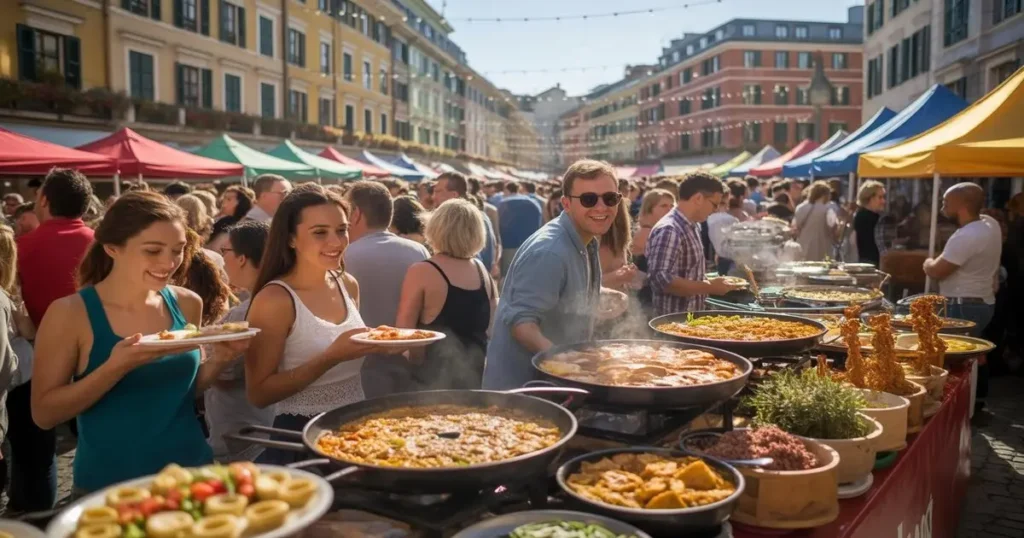
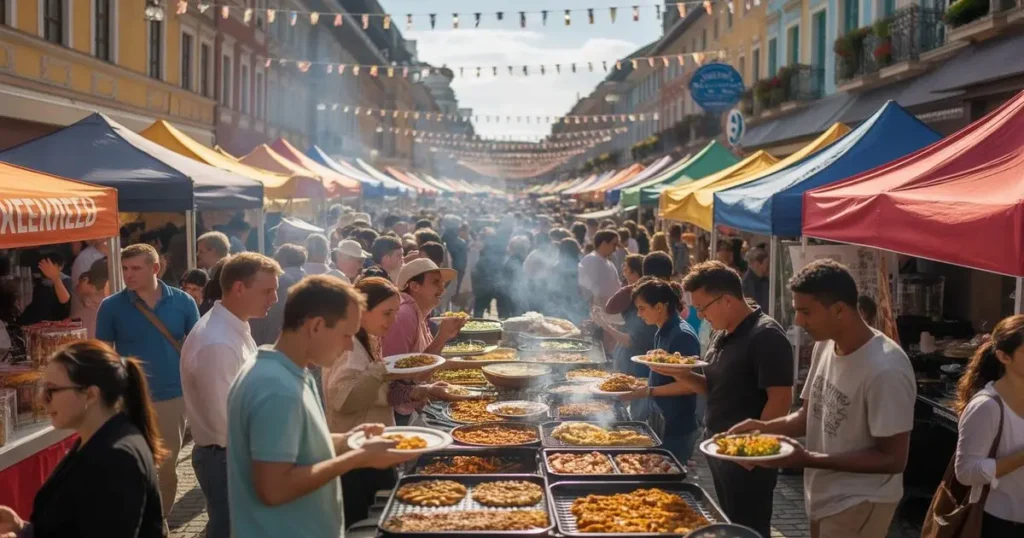
Look, I’ll be honest with you, there’s something magical about biting into street tacos at a bustling food festival while live music pulses through the air and strangers become friends over shared plates of whatever genius creation just came off a food truck. Last summer, I found myself elbow-deep in crawfish at a Louisiana festival, and it hit me: food festivals aren’t just about eating. They’re about experiencing culture, community, and creativity all rolled into one delicious package.
But here’s the thing most travel guides won’t tell you: showing up unprepared to a food festival is like bringing a spoon to a steak dinner. You’ll survive, sure, but you won’t thrive. After years of festival-hopping across the country, from Portland’s food cart festivals to Miami’s South Beach Wine & Food Festival, I’ve learned that the difference between a good festival experience and a legendary one comes down to smart planning.
So grab your appetite and let’s dive into the essential food festival travel tips that’ll transform you from a curious tourist into a seasoned festival pro.
1. Pack Smart, Not Heavy: Your Festival Survival Kit
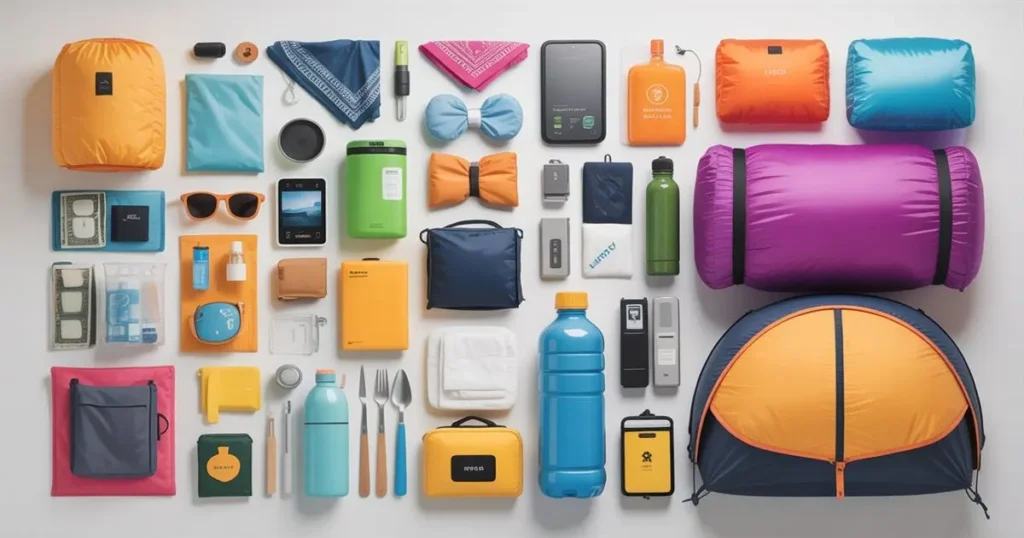
What should I pack for a food festival trip? Great question. Think of your festival bag as a tactical operation, not a camping expedition.
Here’s what actually matters:
The Essentials:
- Compact Travel Cooler Bag – Because that artisanal cheese you just discovered needs to survive the journey home
- Reusable Water Bottle with Filter – Hydration is sexy, folks. Plus, most festivals have refill stations
- Festival-Approved Clear Tote Bag – Security lines move faster, and you’ll thank me later
- Travel-size Hand Sanitizer – You’re touching money, shaking hands, and eating with your fingers. Do the math
- Portable Utensil Set – Some vendors charge for cutlery, and plastic waste is so 2019
I also swear by my Lightweight Backpack with Food Compartments. It keeps my haul organized and prevents the dreaded “BBQ sauce leaking onto my phone” disaster. Trust me, it’s happened.
Pro tip: Pack a Lightweight Rain Poncho. Weather apps lie. Festivals don’t reschedule. Be ready.
2. Finding the Best Festivals: Beyond the Google Search
How do I find the best food festivals to travel to? Let me share a secret: the best festivals aren’t always the biggest ones.
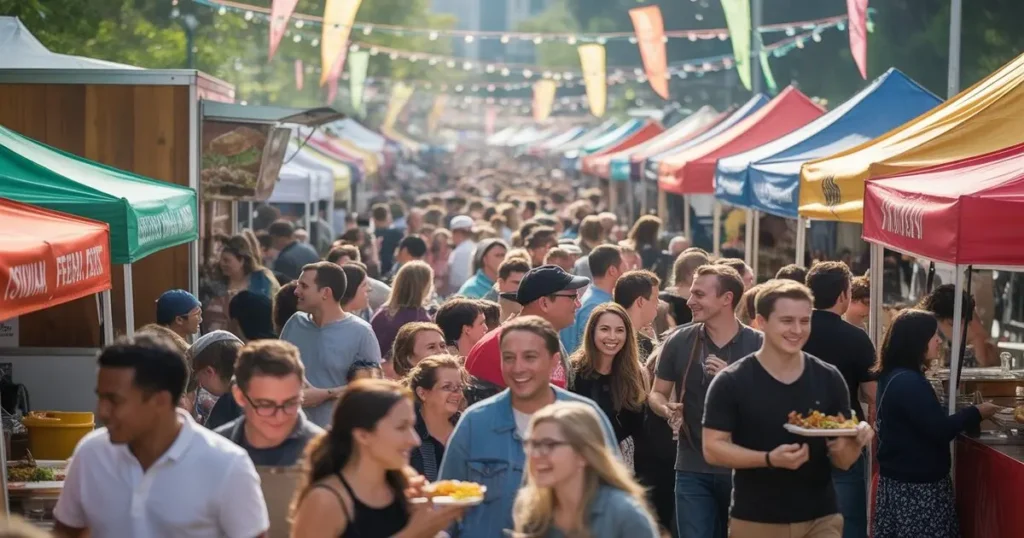
Sure, everyone knows about the New Orleans Jazz & Heritage Festival or the Taste of Chicago. However, some of my most memorable experiences occurred at smaller, regional festivals where locals outnumbered tourists. Here’s my method:
The Discovery Framework:
- Local Food Blogs Over Travel Sites – These folks live and breathe regional food culture
- Instagram Hashtags – Search #[CityName]FoodFestival and check what actual attendees post
- State Tourism Boards – They maintain updated festival calendars
- Ask Locals – Hotel staff, Uber drivers, bartenders, these are your insider sources
I discovered one of Oregon’s best cider festivals by chatting with my Airbnb host. It wasn’t on any “top 10” list, but it changed how I think about craft cider forever.
3. Budget Like You Mean It: Festival Economics 101
Let’s talk money. How can I save money when traveling to food festivals? Because unless you’re swimming in cash, festival costs add up faster than you can say “truffle fries.”
Here’s my battle-tested budget strategy:
| Expense Category | Budget-Friendly Tip | Estimated Savings |
|---|---|---|
| Accommodation | Book 3-4 months early; consider Airbnb or hotels 15 minutes outside festival zone | 30-50% |
| Food Sampling | Set a daily spending limit; share dishes with friends | 25-40% |
| Transportation | Use public transit or bike rentals instead of ride-shares | 50-70% |
| Early Bird Tickets | Purchase festival passes when first announced | 15-30% |
Reality check: I budget $100-150 per day for a full festival experience (excluding accommodation). That covers entrance, food sampling, one nice sit-down meal, and transportation. Some people spend double; I prefer spending smart over spending big.
Money-saving hack: Bring Travel Snack Containers filled with protein bars or nuts. You’ll avoid overpaying for basic snacks between tastings and maintain your energy levels.
4. Transportation: Getting There and Getting Around
What are the best transportation options for traveling to a food festival? This depends entirely on your festival’s location, but let me break down the usual suspects:
For Getting There:
- Flying into major festivals? Book flights on Tuesday afternoons for better deals
- Road-tripping? Split costs with friends and turn it into an adventure
- Train travel works beautifully for East Coast festivals; you arrive relaxed, not road-weary
For Getting Around: Many festivals sprawl across multiple city blocks or venues. I’ve learned to:
- Walk when possible (hence the Comfortable Walking Shoes, your feet will log serious miles)
- Use festival shuttles if provided
- Rent bikes for multi-venue festivals
- Download offline maps before arriving
Last year in Austin, I rented a bike for their taco festival circuit. Best decision ever, I burned calories between tastings and discovered hidden gems between official venues.
5. Planning Your Itinerary: Strategy Over Spontaneity
How do I plan my itinerary around a food festival? Here’s where most people mess up—they wing it entirely or over-schedule themselves into stress.
The Sweet Spot Approach:
Before the Festival:
- Download the festival app or map
- Highlight 5-7 “must-visit” vendors
- Schedule around any cooking demos or celebrity chef appearances
- Build in 40% flexibility for spontaneous discoveries
During the Festival:
- Start with lighter dishes, progress to heavier items
- Alternate between sweet and savory to avoid palate fatigue
- Take breaks, I use my Foldable Camping Chair with Carry Bag for people-watching pit stops
- Document with your Compact Camera for Food Photography (your Instagram will thank you)
I create a loose timeline, not a rigid schedule. “Mid-morning: pastries and coffee. Lunch window: seafood area. Afternoon: international street food.” This structure provides direction without destroying spontaneity.
6. Food Safety: Don’t Let a Vendor Take You Down
What food safety precautions should I take at festivals? Let’s get real, food poisoning can ruin not just your festival but your entire trip.
Non-Negotiable Safety Rules:
✓ Watch for proper food handling – Are vendors wearing gloves? Using separate utensils?
✓ Trust your nose – If something smells off, it probably is
✓ Observe lines – Busy vendors usually have fresher food (high turnover)
✓ Carry a Travel First Aid Kit with anti-diarrheal medication and antacids
✓ Sanitize constantly – Before eating, after touching money, whenever possible
I also pack Eco-Friendly Reusable Food Wraps to cover partially eaten items. They’re better than asking for plastic wrap, and they keep flies away while I’m moving between vendors.
Hot tip: Avoid raw preparations in extreme heat. That poke bowl might be Instagram gold, but is it worth the risk when it’s 95 degrees outside?
7. Family-Friendly Festival Travel: Yes, It’s Possible
Are food festivals family-friendly? Absolutely, but it requires different logistics.
Traveling with kids to festivals taught me:
- Arrive early when crowds are manageable and kids aren’t overstimulated
- Pack familiar snacks alongside adventure foods
- Designate a meeting spot in case anyone gets separated
- Bring a Travel Blanket for impromptu picnic breaks
- Choose festivals with kid zones or entertainment areas
My friend’s eight-year-old became obsessed with empanadas after trying them at a Chicago festival. Sometimes kids surprise you—but sometimes they just want chicken nuggets, and that’s okay too.
8. Accommodation Strategy: Book Smart, Sleep Well
How early should I book accommodation for food festivals? The answer is simple: earlier than you think.
Booking Timeline:
- Major festivals (10,000+ attendees): 3-4 months minimum
- Regional festivals: 6-8 weeks out
- Boutique/specialty festivals: 2-3 months
Location Considerations: I always map the festival venue first, then search for accommodation within a 1-2 mile radius. Staying within walking distance means:
- No parking nightmares
- Easy retreat when you need a break
- Lower transportation costs
Pro move: Book a place with a mini-fridge to store your festival hauls. That Insulated Lunch Bag works great for transport, but overnight storage requires refrigeration.
9. Discovering Local Authenticity: Beyond the Booths
What’s the best way to discover local food at festivals? Here’s the secret: the festival itself is just your starting point.
The Local Discovery Method:
- Talk to vendors about their favorite local spots
- Follow the non-tourist crowd after festival hours
- Ask “What do you eat on your day off?”
- Visit vendors’ brick-and-mortar locations if they have them
Some of my best meals happened because of festivals, not at them. A vendor in Nashville told me about a meat-and-three joint that wasn’t in any guidebook. I went the next morning, and it was transcendent.
10. Essential Gear That Actually Matters
Let’s talk practical gear beyond the basics. These items separate amateurs from veterans:
Game-Changers:
- Solar Charger Power Bank – Festival days are long; dead phones are useless
- Digital Travel Thermos – Morning coffee stays hot; afternoon iced tea stays cold
- Lightweight, Packable Hat – Sun protection that doesn’t take up space
- Portable Bluetooth Speaker – For pre-festival vibes in your accommodation
I initially thought bringing a Travel Cookbook Focused on Festival Recipes was overkill, but it actually extends the experience. Recreating festival dishes at home brings back those memories and impresses dinner guests.
11. The Sustainable Festival-Goer
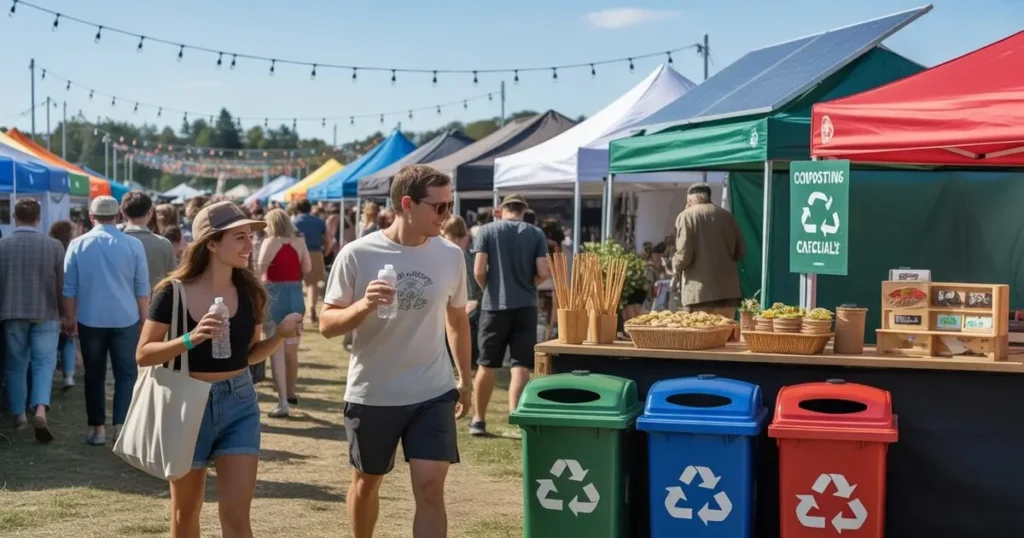
Here’s something most travel guides skip: your environmental impact. Festival waste is real, and we can do better.
Eco-Friendly Practices:
- Use those Eco-Friendly Reusable Food Wraps instead of accepting plastic
- Carry that reusable water bottle everywhere
- Choose vendors using compostable packaging
- Skip plastic utensils when you have your portable set
- Properly dispose of waste in designated areas
Being sustainable doesn’t mean sacrificing experience; it means being mindful about our choices.
12. Pro Tips from the Road
What are the top tips for enjoying a food festival? After countless festivals, here are my insider secrets:
The Advanced Playbook:
- Arrive hungry, but not starving – You’ll make better choices
- Wear layers – Temperature shifts from morning to evening
- Share everything – More variety, less waste, better value
- Take notes – You’ll forget vendor names surprisingly fast
- Pace yourself – This is a marathon, not a sprint
- Stay open-minded – The weird-sounding dish might become your new favorite
The biggest mistake? Filling up on the first thing that smells good. Exercise patience. Survey your options. Then attack strategically.
The Festival Mindset: Beyond the Food
Here’s what I’ve learned after years of festival-hopping: the best food festival experiences happen when you stop treating it like a competitive eating event and start treating it like cultural immersion.
Yes, try that legendary BBQ everyone’s talking about. But also: watch the cooking demos, chat with the chefs, learn about regional ingredients, observe preparation techniques, and absorb the atmosphere. These festivals exist because communities are proud of their culinary heritage—honor that by engaging beyond just consumption.
Festivals taught me that food is never just food. It’s history, creativity, love, and identity plated up for strangers who become friends over shared tastes and experiences.
Your Next Move
So there you have it, your comprehensive guide to food festival travel that goes beyond “show up hungry and bring cash.”
Whether you’re planning your first festival or your fiftieth, remember: the goal isn’t to eat everything (though admirable, that leads to regret). The goal is to curate experiences, discover flavors, connect with food culture, and create memories that outlast any Instagram post.
Start by researching your next festival destination. Check that calendar, book your accommodation early, order that compact travel cooler bag, and prepare for an adventure that’ll satisfy way more than just your appetite.
Now, if you’ll excuse me, I’ve got a garlic festival in Gilroy calling my name, and these truffle fries aren’t going to eat themselves.
What’s your best food festival memory or disaster story? Drop a comment below, I’d love to hear about your adventures (and cautionary tales).
Ready to become a food festival pro? Save this guide, pack smart, and let your taste buds lead the way. Your next culinary adventure is waiting.