
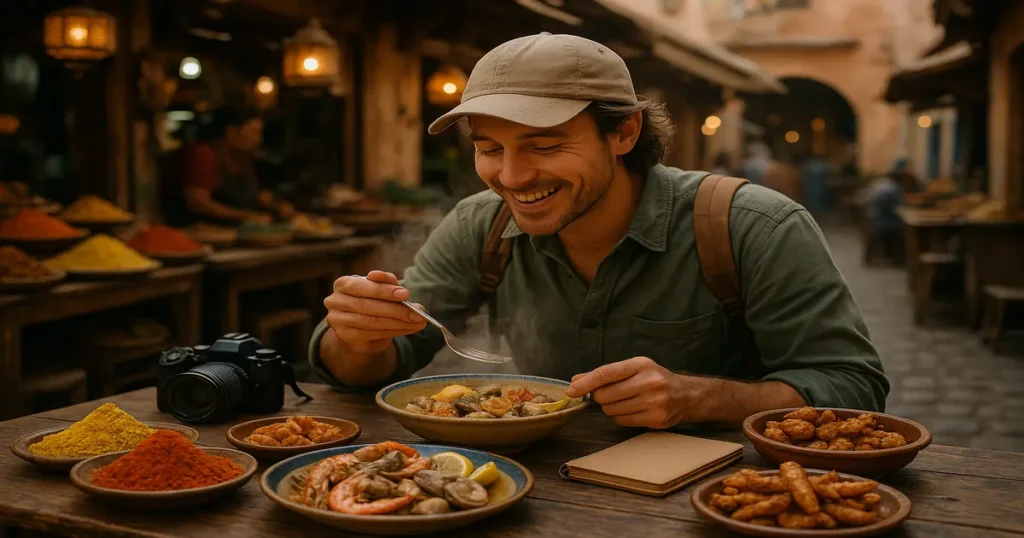
Gourmet Travel: The First-Bite Moments That Redefine How You Taste the World
There’s a moment every food lover knows intimately: that first bite in a foreign place that makes you stop mid-chew, eyes wide, wondering why nobody told you about this. Maybe it’s the way a perfect croissant shatters between your teeth on a Parisian side street. Or how fresh pasta in a tiny Roman trattoria somehow tastes like it contains secrets passed down through generations. Or that street taco in Oaxaca that rewires your entire understanding of flavor.
That moment? That’s not just eating. That’s gourmet travel.
And if you’ve ever planned a trip based on where you want to eat rather than what you want to see, congratulations, you’re already part of this deliciously obsessive tribe. In 2025, gourmet travel has evolved from a niche hobby to a full-blown movement, with travelers ditching tourist traps for truffle hunts, swapping museums for markets, and treating their taste buds like the most important tour guides they’ll ever hire.
Let me take you on a journey through everything you need to know about gourmet travel. Consider this your culinary passport to eating, drinking, and experiencing the world in ways that’ll make your Instagram followers simultaneously envious and hungry.
What Is Gourmet Travel (And Why Is It Different From Just… Eating On Vacation)?
Look, we’ve all traveled and eaten. You get hungry in Barcelona, you find a restaurant, you eat paella. Mission accomplished, right?
Not quite.
Gourmet travel is the intentional pursuit of extraordinary food experiences as your primary reason for visiting a destination. It’s when you book flights to Lyon specifically because you want to understand French culinary tradition at its source. It’s spending an afternoon with a nonna in Sicily learning to hand-roll cavatelli. It’s timing your Japan trip around cherry blossom season and the opening of a three-Michelin-star kaiseki restaurant you’ve been stalking for reservations.
The difference between regular travel and gourmet food travel is intention and immersion. Regular tourists eat to fuel their sightseeing. Gourmet travelers sightsee to fuel their eating.
This means you’re not just consuming food, you’re understanding context. You’re learning why San Sebastián’s pintxos culture exists. You’re discovering how Thailand’s regional cuisines differ dramatically from north to south. You’re tasting terroir in wine country, feeling the land itself in every glass.
I’ll be honest: once you travel this way, you can’t go back. Regular vacations start feeling incomplete, like watching a movie with the sound off. Because when you prioritize food, you’re automatically diving deeper into culture, history, agriculture, and community. Food is the ultimate cultural ambassador, and gourmet travel is how you get fluent in its language.
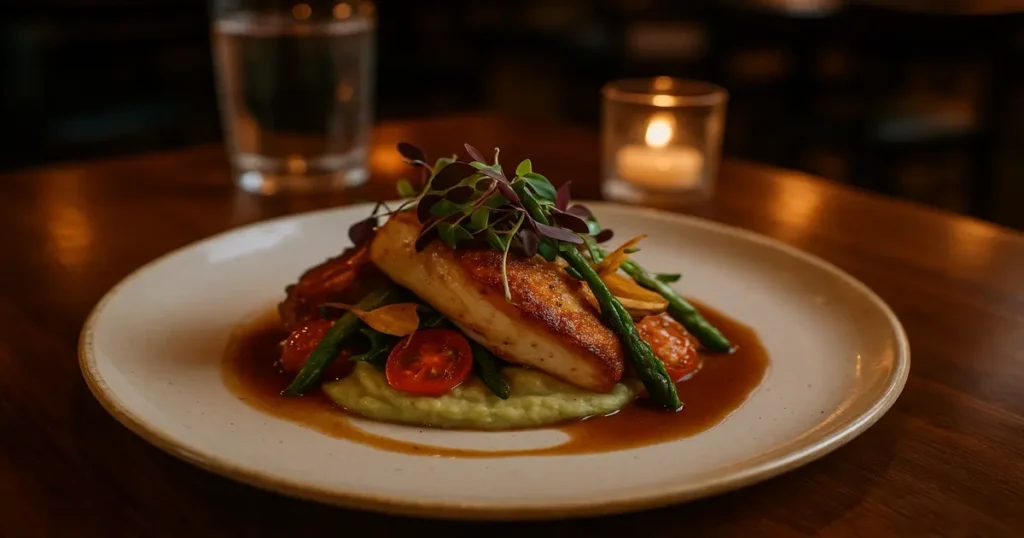
The Best Gourmet Travel Destinations That’ll Change Your Life
Choosing where to eat your way around the world is gloriously overwhelming. Every region claims to have the “best” cuisine, and honestly? They’re all kind of right. But certain destinations have earned legendary status in the gourmet travel tours world for good reason.
Europe’s Culinary Kingdoms
Paris, France – The undisputed heavyweight champion of gourmet travel. From Michelin-starred temples to neighborhood bistros serving perfect steak frites, Paris takes food so seriously that it should come with a warning label. Hit the Marché des Enfants Rouges for market vibes, splurge on a tasting menu at L’Arpège, and don’t you dare skip the boulangerie croissants.
San Sebastián, Spain – This small Basque city has more Michelin stars per capita than anywhere on earth. The pintxos bar crawl through Parte Vieja is legendary, and dinners at places like Arzak or Mugaritz redefine what food can be. Plus, the beach views don’t hurt.
Bologna, Italy – If you want to understand Italian cuisine beyond pizza and pasta, Bologna is your classroom. This is where tortellini, mortadella, and ragù were born. Take a cooking class, visit the markets, and prepare to gain five pounds of pure joy.
Lyon, France – Often overshadowed by Paris, Lyon is where French cooking gets real. The bouchons serve hearty Lyonnais cuisine, and the city’s position between Burgundy and the Rhône Valley means world-class wine flows freely.
Copenhagen, Denmark – New Nordic cuisine put Copenhagen on the map, and restaurants like Noma (if you can score a reservation) continue pushing boundaries. But the city’s food scene extends far beyond fine dining; its street food markets and casual spots are equally innovative.
Asia’s Flavor Explosions
Tokyo, Japan – With more Michelin stars than any city globally, Tokyo offers everything from $300 omakase experiences to $5 ramen bowls that’ll make you weep. The city’s obsession with perfection and seasonality creates food experiences that border on spiritual.
Bangkok, Thailand – Street food paradise meets sophisticated dining. Bangkok’s chaos and flavors hit you simultaneously, from boat noodles in old-town alleys to contemporary Thai cuisine at places like Gaggan. The city rewards adventurous eaters who aren’t afraid of heat.
Hanoi, Vietnam – Pho for breakfast, bún chả for lunch, and countless banh mi in between. Hanoi’s food scene is raw, authentic, and centered around street-side plastic stools where the magic happens. This is gourmet travel at its most democratic and delicious.
Singapore – The melting pot of Asian cuisines, Singapore offers Chinese, Malay, Indian, and fusion experiences often within the same hawker center. Michelin-starred street food stalls exist here; that’s how seriously this city takes eating.
The Americas’ Rising Stars
Oaxaca, Mexico – Mole, mezcal, markets, and indigenous ingredients make Oaxaca a gourmet travel mecca. The food here connects you directly to pre-Hispanic traditions while embracing contemporary interpretations. It’s rustic, complex, and utterly compelling.
Lima, Peru – Latin America’s culinary capital, blends indigenous ingredients with Japanese, Chinese, and Spanish influences. Ceviche reaches its apex here, and restaurants like Central and Maido consistently rank among the world’s best.
New York City, USA – The sheer diversity makes NYC essential for food obsessives. You can eat your way around the world without leaving the five boroughs, and the competitive intensity ensures constant innovation and excellence.
| Destination | Specialty | Price Range | Best For |
|---|---|---|---|
| Paris | Classic French cuisine | $$$ – $$$$ | Fine dining, pastries |
| San Sebastián | Pintxos, Basque cuisine | $$ – $$$$ | Bar crawls, Michelin stars |
| Tokyo | Sushi, ramen, kaiseki | $ – $$$$ | Precision, seasonality |
| Bangkok | Street food, Thai regional | $ – $$$ | Adventurous eaters |
| Oaxaca | Mole, indigenous cuisine | $ – $$ | Culture, tradition |
| Bologna | Pasta, charcuterie | $$ – $$$ | Cooking classes, markets |
Finding Authentic Gourmet Food Experiences (Beyond the Tourist Traps)
Here’s the thing about authentic gourmet travel experiences: they rarely announce themselves. The best food moments usually happen away from places with laminated menus in five languages outside their doors.
So how do you find the real stuff?
Follow the locals. I know it sounds obvious, but it works. If a restaurant is packed with locals at 2 PM on a Tuesday, they’re not there for the atmosphere; they’re there because the food hits. Use apps like Zomato and OpenTable to check local reviews, but also just… observe.
Get to the markets early. Farmers’ markets and food halls tell you everything about a region’s ingredients and culinary priorities. Barcelona’s La Boqueria, Istanbul’s Spice Bazaar, Seattle’s Pike Place, these aren’t just shopping destinations; they’re living museums of local food culture. Join a guided market tour if you want context and insider access.
Take cooking classes. Airbnb Experiences revolutionized this space, connecting travelers with home cooks and chefs offering intimate classes. Learning to make pasta in Tuscany or curry in Kerala isn’t just about the recipe; it’s about understanding technique, tradition, and the stories behind dishes.
Book specialized food tours. Companies like Viator offer curated experiences ranging from street food crawls to truffle hunting to multi-day gastronomic journeys. These tours access places and people that individual travelers might miss.
Use the Michelin Guide app. Whether you’re chasing stars or just want solid recommendations, Michelin’s standards ensure quality. But don’t only chase the starred restaurants; their Bib Gourmand category highlights excellent, affordable spots that locals actually frequent.
Join platforms like EatWith. This connects you with home cooks for intimate, farm-to-table dining experiences. You’re literally eating in someone’s home, hearing their stories, and tasting family recipes passed through generations.
The key to authentic experiences? Be curious, respectful, and willing to step outside your comfort zone. The best meals often come from places that don’t look Instagram-ready but taste like somebody’s grandmother poured love into every bite.
Are Gourmet Travel Tours Actually Worth the Money?
Let’s talk about cost, because luxury gourmet travel isn’t cheap. Multi-day culinary tours can run thousands of dollars. Private cooking classes, wine tastings, and Michelin-starred dinners add up fast. So the question becomes: are gourmet travel packages worth it, or are you just paying for overpriced eating?
My take? It depends on what you value and what you’re trying to achieve.
When tours are worth it:
High-end operators like Abercrombie & Kent provide access you literally cannot replicate independently. They arrange private vineyard tours with winemakers, behind-the-scenes kitchen experiences, and connections with culinary legends. You’re paying for expertise, logistics, and doors that don’t open for individual travelers.
Luxury gourmet travel experiences handle everything, from reservations at impossible-to-book restaurants, transportation, translation, and insider knowledge. If your time is limited and you want maximum impact, professional curation delivers.
Group tours also create community. Traveling with fellow food obsessives means shared enthusiasm, collective discoveries, and friendships formed over memorable meals. There’s something special about that communal energy.
When DIY makes more sense:
If you’re flexible, adventurous, and enjoy research, planning your own gourmet travel itinerary can be incredibly rewarding. You control pace, budget, and spontaneity. Maybe you want three days in one city mastering regional specialties, or maybe you prefer bouncing between destinations following your whims.
Budget-conscious travelers can absolutely have profound gourmet experiences without tour operators. Street food, markets, local eateries, and self-guided explorations cost dramatically less while offering authentic encounters.
My recommendation? Mix both approaches. Invest in one or two guided experiences for access and education, then explore the rest of the time. Take a truffle hunting tour in Piedmont, then spend afternoons wandering and eating on your own terms.
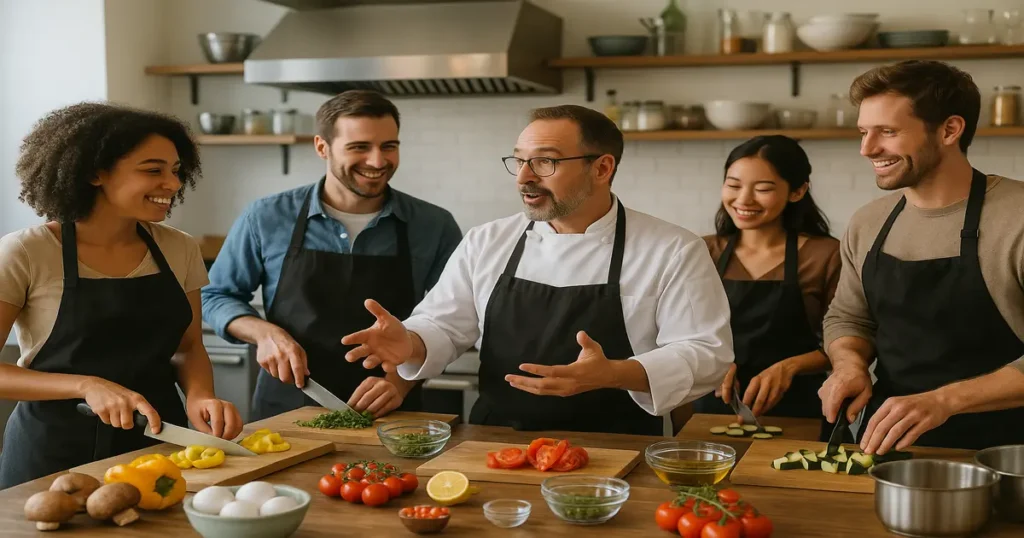
What Actually Happens on Gourmet Travel Experiences?
Wondering what you’re signing up for? Gourmet travel tours and experiences come in wildly different flavors (pun intended), but certain activities define the genre:
Cooking Classes and Workshops
These range from casual afternoon sessions to intensive week-long courses. You might make pasta with a Roman nonna, master Thai curry pastes in Bangkok, or learn pastry techniques in Paris. The best classes balance instruction with cultural context, so you understand not just how to make a dish but why it exists.
Wine and Spirits Tastings
Gourmet travel and wine tasting go together like… well, wine and cheese. Vineyard visits in Bordeaux, Napa, Tuscany, or Mendoza offer education about terroir, production, and pairing. Distillery tours for whiskey, mezcal, or sake add spirits diversity. These experiences work best when they include meals showcasing regional cuisine.
Market Tours and Food Walks
Guided explorations of local markets and neighborhoods connect ingredients to culture. You’ll taste, learn, ask questions, and discover spots you’d never find alone. The best guides are passionate locals who know everyone and share stories behind every stall.
Farm and Producer Visits
Want to see cheese-making in the Alps? Olive oil production in Andalusia? Coffee roasting in Colombia? These immersive visits show food from source to table, deepening appreciation for the craft and labor involved.
Multi-Course Tasting Menus
Fine dining experiences showcase a region’s ingredients and techniques through carefully curated menus. Whether it’s a three-Michelin-star temple or a creative bistro, these meals become memories. Tasting menus tell culinary stories; pay attention to progression and pairings.
Street Food Adventures
Some of the best gourmet food trips happen at street stalls and hawker centers. Guided street food tours navigate language barriers, explain dishes, and ensure you hit highlights while avoiding tourist traps.
Foraging and Specialty Experiences
Truffle hunting, mushroom foraging, fishing trips, and harvest experiences connect you directly to ingredient sourcing. They’re often seasonal and require booking, but they offer unmatched authenticity.
Planning Your Gourmet Travel Itinerary Like a Pro
Creating a stellar gourmet travel itinerary requires strategy. You can’t just wing it if you want to eat at that natural wine bar, only open Wednesdays, or the ramen shop with a two-hour line.
Start with anchors. Book any must-do experiences first, those Michelin-starred reservations, that cooking class, the wine tour. Build your trip around these fixed points, then fill in with flexibility.
Research seasonally. Asparagus in spring, tomatoes in summer, truffles in fall, citrus in winter; ingredients peak at specific times. Plan trips around harvest seasons or food festivals to experience ingredients at their best.
Map geographically. Group experiences by neighborhood or region to minimize transit time and maximize eating time. If you’re doing a market tour in the morning, plan lunch nearby rather than across town.
Balance intensity. Don’t schedule fourteen-course tasting menus three nights in a row; you’ll be miserable. Alternate between heavy and light, formal and casual, planned and spontaneous.
Leave gaps. The best food discoveries often happen when you’re wandering without an agenda. Build in unscheduled time for random recommendations and serendipitous finds.
Use specialized resources. Guidebooks from the Lonely Planet Gourmet Series, food blogs focused on specific regions, and apps like the Michelin Guide provide curated starting points. Try The World subscription boxes can preview regional cuisines before you visit.
Consider logistics. How are you getting between locations? Do you need rental cars for the wine country? Are reservations required, or are walk-ins acceptable? European dining schedules differ from American; plan accordingly.
Pack appropriately. Comfortable walking shoes matter more than fancy outfits for market tours. Bring digestive aids for unfamiliar cuisines. Pack reusable travel utensil kits if you’re eco-conscious. Travel insurance from World Nomads can include culinary-specific coverage.
The Unexpected Health Benefits of Culinary Travel
This might sound counterintuitive when we’re talking about traveling specifically to eat, but hear me out: immersive culinary travel can actually be good for you.
Mental health boost. Novel experiences activate reward centers in your brain. Learning new skills, like rolling sushi or identifying wine varietals, builds confidence and cognitive flexibility. Food-focused travel tends to be slower-paced and more mindful than checklist tourism, reducing stress.
Cultural connection. Sharing meals with locals combats loneliness and builds cross-cultural understanding. Breaking bread together is humanity’s oldest social ritual; it creates genuine connection in ways sightseeing can’t match.
Expanded palate and nutrition. Exposure to diverse cuisines introduces new ingredients, flavors, and preparation methods. You might discover fermented foods supporting gut health, antioxidant-rich spices, or plant-based proteins you’d never encountered. Variety in diet correlates with better nutrition.
Physical activity. Gourmet travel involves walking to markets, between restaurants, and through vineyards. Food tours often cover miles on foot. You’re burning calories while consuming them, and the activity feels incidental rather than like exercise.
Mindful eating practice. When you travel for food, you slow down. You savor. You notice textures, aromas, and flavors rather than mindlessly consuming. This mindfulness transfers to eating habits at home.
Obviously, moderation matters. You’ll probably gain a few pounds on a two-week food tour through Italy—that’s part of the deal. But the holistic benefits extend beyond the scale.
How Gourmet Travel Supports Local Communities (And Why It Matters)
Here’s something I don’t think gets discussed enough: sustainable gourmet travel done right becomes a force for community good.
When you book cooking classes with local families, eat at neighborhood restaurants, and buy directly from farmers’ markets, your money stays in the community. You’re supporting small businesses, preserving culinary traditions, and creating economic opportunities that don’t require selling out to mass tourism.
Compare this to all-inclusive resorts where your dollars barely touch the local economy. Or chain restaurants serving bland approximations of regional cuisine. Gourmet food and travel that prioritizes authenticity inherently support the preservation of foodways that might otherwise disappear.
Taking a mole-making class in Oaxaca funds indigenous cooks passing down knowledge. Eating at a family-run trattoria in Sicily keeps traditional recipes alive. Buying cheese directly from Alpine farmers sustains mountain communities and agricultural practices.
This also creates accountability. When you meet the person making your food, hear their story, and see their craft, you become invested in their success. You recommend them to other travelers. You return. You care about whether their business survives.
Food tourism can be extractive if handled poorly, turning cultures into theme parks. But when done with respect and intention, it becomes symbiotic. Communities gain economic stability while maintaining cultural integrity. Travelers gain authentic experiences while contributing positively.
Vote with your wallet. Choose local over corporate. Seek out family businesses. Pay fairly for expertise. Your gourmet vacation can be indulgent and ethical.
Essential Gear and Tools for Gourmet Travelers
Packing for food-focused travel requires some specialized consideration. Here’s what actually matters:
Documentation and Resources
- Food and wine pairing books for education on the go
- Travel cookbooks from renowned chefs for inspiration and context
- Apps loaded: Michelin Guide, Zomato, OpenTable, currency converters
Practical Tools
- Reusable travel utensil kits for street food and sustainability
- Portable wine aerators, if you’re serious about wine travel
- Digital food scales for ingredient shopping and cooking classes
- Gourmet cooking utensil sets, if you’re renting apartments
Comfort and Health
- Digestive enzymes and probiotics for unfamiliar cuisines
- Comfortable walking shoes, markets, and food tours mean miles on foot
- Lightweight, stain-resistant clothing, because spills happen
- World Nomads travel insurance with culinary coverage
Subscriptions Worth Having
- Try The World gourmet food subscription boxes introduce you to regional specialties
- Specialty coffee subscriptions from regions you’re visiting
- Food festival tickets booked in advance for popular events
Splurge-Worthy Investments
- Quality camera or phone with excellent low-light performance (restaurants are dark)
- Portable battery pack for navigation and research
- Noise-canceling headphones for flights between food destinations
- Luxury hotel culinary packages that include exclusive dining experiences
Affordable Gourmet Travel: Eating Well on Any Budget
Let’s bust the myth that gourmet travel requires unlimited funds. Yes, three-Michelin-star restaurants cost serious money. But some of the world’s best food experiences are shockingly affordable.
Street food is legitimate gourmet eating. Bangkok’s Michelin-starred street stalls serve meals for $5. Mexico City’s taco stands offer world-class al pastor for pocket change. Hanoi’s pho shops deliver breakfast perfection for $2.
Markets over restaurants. Shopping at farmers’ markets and preparing simple meals in Airbnb kitchens cuts costs dramatically while providing ingredient education. Cheese, bread, charcuterie, and local wine create memorable picnics for a fraction of restaurant prices.
Lunch over dinner. Many high-end restaurants offer lunch menus at reduced prices with similar quality. Target expensive spots for midday meals, save evenings for casual dining.
Focus on regions with favorable exchange rates. Your dollar stretches further in Southeast Asia, Eastern Europe, Latin America, and parts of Southern Europe. You can eat exceptionally well in Portugal, Thailand, or Peru on modest budgets.
Mix luxury with casual. Splurge on one special dinner, then eat street food the next three days. The contrast enhances both experiences, and your wallet survives.
Travel slower. Spending two weeks in one region costs less than bouncing between countries. You find neighborhood spots, buy groceries, develop routines, and avoid constant transportation costs.
Time it right. Visit during the shoulder season when hotels cost less, and restaurants are less crowded. Avoid peak tourist times when prices inflate, and authenticity decreases.
The core principle: gourmet travel is about quality and intention, not necessarily expense. A perfect bánh mì eaten on a Hanoi sidewalk can be more memorable than a $500 tasting menu if you’re present and appreciative.
Gourmet Travel Trends to Watch in 2025
The gourmet travel landscape keeps evolving. Here’s what’s shaping the scene right now:
Hyper-regionality – Travelers are digging deeper into micro-regions rather than covering entire countries. Instead of “touring Italy,” people are spending two weeks in Emilia-Romagna mastering that area’s specific food culture.
Indigenous and forgotten cuisines – There’s growing interest in pre-colonial foodways and indigenous ingredients. Travelers want to understand what people ate before globalization homogenized everything.
Sustainability focus – Zero-waste restaurants, nose-to-tail butchery, regenerative agriculture, and eco-conscious dining aren’t niche anymore; it’s expected. Sustainable gourmet travel means supporting places that care about environmental impact.
Fermentation fascination – From Korean fermentation workshops to Japanese miso making to Scandinavian preservation techniques, travelers are geeking out on microbial magic.
Solo dining normalization – More people are traveling alone and eating at fancy restaurants solo without embarrassment. Chefs’ counters and omakase experiences cater perfectly to this trend.
Verification and transparency – Travelers want to know ingredient sources, chef backgrounds, and restaurant ethics. Generic “authentic” claims don’t cut it anymore; people want details.
Festival tourism – Food festivals have become pilgrimage destinations. Melbourne Food & Wine Festival, Lima Mistura, San Sebastián Gastronómika; these events anchor entire trips.
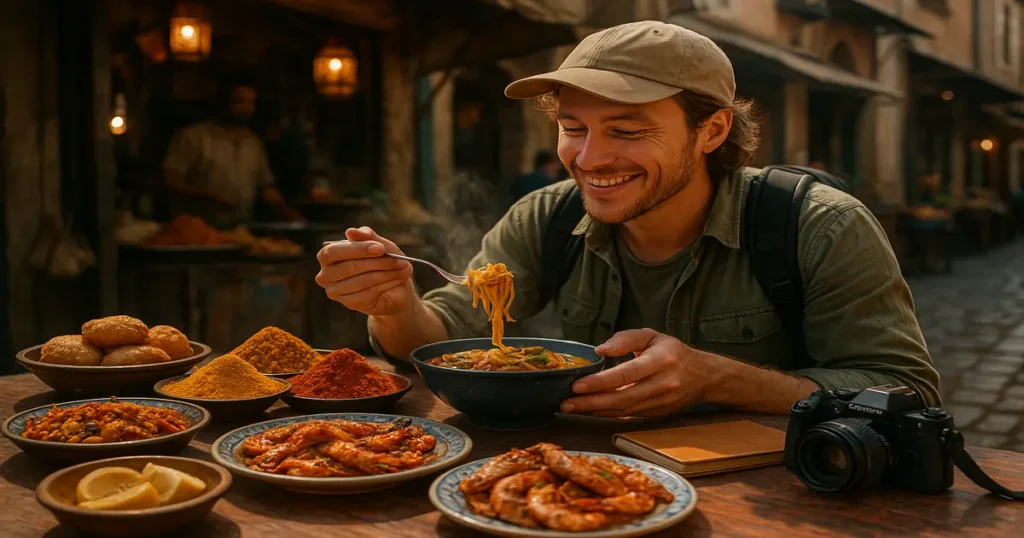
Your Gourmet Travel Adventure Awaits
Look, life’s too short for mediocre meals and uninspired travel. If you’ve ever felt more excited about a restaurant reservation than a museum, if you’ve planned vacation days around harvest seasons, if you’ve genuinely considered moving somewhere because the food was that good, this is your calling.
Gourmet travel isn’t frivolous or indulgent in the shallow sense. It’s about engaging with the world through its most universal language. Food tells stories about geography, history, migration, innovation, and humanity. When you travel to eat, you’re not being superficial; you’re going deep.
Start small if this feels overwhelming. Pick one destination. Book a cooking class. Visit a market with a guide. Taste something you can’t pronounce. Ask questions. Be curious. Let your appetite lead.
The world is staggeringly delicious, and there are people everywhere passionate about sharing their culinary heritage with you. All you have to do is show up hungry, both for food and for experience.
So where will your first gourmet adventure take you? Paris bistros or Bangkok street stalls? Tuscan farmhouses or Peruvian cevicherías? The choice is gloriously yours, and every option promises flavors and memories you’ll carry forever.
Pack your appetite. Book the flight. Trust that the best stories always start with “So we found this place…”
Your gourmet travel journey is waiting. And trust me, it tastes even better than you’re imagining.
Ready to start planning your culinary adventure? Share your dream gourmet travel destination in the comments, or tell us about the best meal you’ve ever had while traveling. And if this guide inspired you, pass it along to your foodie friends who need permission to plan their next trip around eating.